
 English
 简体中文
简体中文
Content
The Fundamentals of the Three-Layer System
To achieve effective cold resistance, one must move away from the idea of a single "thick coat" and instead embrace the physiological science of layering. The primary goal of cold-resistant clothing is to trap pockets of non-circulating air, which acts as a powerful insulator against the external environment. This is achieved through a three-layer system: the base layer (moisture management), the mid-layer (insulation), and the outer shell (weather protection). By using multiple layers, you create multiple barriers that prevent body heat from escaping while allowing metabolic moisture to move away from the skin, preventing the "chill effect" caused by damp fabrics.
Each layer must be selected based on the specific activity level and the ambient temperature. For instance, high-output activities like hiking require more breathable fabrics, whereas stationary activities like ice fishing require high-loft insulation with maximum air-trapping capabilities. Ignoring any single part of this system can lead to rapid heat loss, even if the rest of the outfit is high-quality.
Advanced Materials for Maximum Thermal Retention
Modern textile engineering has introduced several specialized materials that offer superior warmth-to-weight ratios. Choosing the right material is the difference between being bulky and being warm. Below is a comparison of common materials used in professional-grade cold-resistant apparel:
| Material Type | Primary Benefit | Best Use Case |
| Merino Wool | Natural odor resistance and moisture wicking | Base layers for all-day wear |
| Down (Goose/Duck) | Highest warmth-to-weight ratio | Dry, extreme cold conditions |
| Synthetic (Primaloft) | Retains warmth even when wet | Damp or humid cold climates |
| Gore-Tex Shell | Waterproof and windproof barrier | Protection against wind and snow |
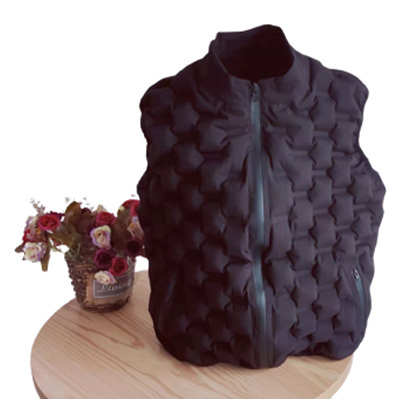
Optimizing the Base Layer for Moisture Control
Synthetics vs. Natural Fibers
The base layer is the most critical component for maintaining a stable core temperature. If your skin stays wet from sweat, you will lose heat 25 times faster than if you were dry. Synthetic base layers, typically made of polyester or nylon blends, are engineered to "push" moisture away from the skin to the outer surface of the fabric where it can evaporate quickly. These are ideal for high-intensity sports.
Merino wool is the premium natural alternative. Unlike traditional wool, Merino is soft and non-itchy. Its unique cellular structure allows it to absorb moisture vapor into its core while the surface remains dry. This creates a "buffer" effect that helps regulate temperature in both cold and slightly warmer conditions, making it the most versatile choice for variable mountain weather.
Critical Features of High-End Outer Shells
The outer shell, or "hard shell," does not necessarily provide warmth on its own; its job is to protect the insulation layers from being compromised by wind and water. When selecting a cold-resistant outer layer, look for technical features that enhance performance in harsh environments:
- Seam Sealing: Ensure the jacket has fully taped seams to prevent water from leaking through the stitching.
- Pit Zips: These underarm vents allow for immediate heat dumping without removing the jacket, crucial for regulating temperature during exertion.
- Cuff Closures: Adjustable Velcro or elastic cuffs prevent the "chimney effect," where cold air enters through the sleeves.
- Helmet-Compatible Hoods: A stiffened brim and multi-point adjustment ensure the hood moves with your head, maintaining visibility in blizzards.
Protecting the Extremities: Hands, Feet, and Head
The body prioritizes the core when cold, often sacrificing blood flow to the extremities. Therefore, specialized cold-resistant gear for the head, hands, and feet is non-negotiable. For footwear, look for boots with a high "Gram" rating of insulation (e.g., 200g for mild activity, 400g-1000g for extreme cold). Socks should be a wool blend; never wear cotton, as it traps moisture and leads to frozen toes.
For the hands, a glove-within-a-mitten system is often superior to a single heavy glove. Mittens are inherently warmer because your fingers share heat. By wearing a thin liner glove inside a waterproof mitten, you can temporarily remove the mitten to perform tasks requiring dexterity without exposing your bare skin to the freezing air.


 3rd Floor, East Gate, No. 2599 Park Road, Sheng Ze Town, Wu Jiang District, Suzhou City, Jiangsu Province
  +86- 0512-63519080
 +86-13584404311
  FQsales1@163.com