
 English
 简体中文
简体中文
Content
Critical Engineering of Modern Reflective Materials
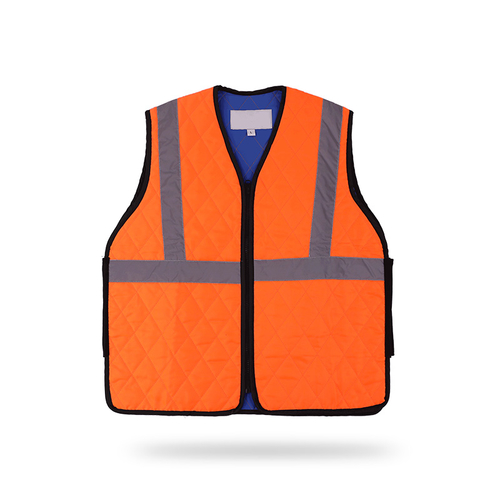
Outdoor reflective vests have evolved from simple mesh overlays to sophisticated safety equipment utilizing retroreflective technology. The core functionality relies on thousands of microscopic glass beads or prismatic polymers that capture light from vehicle headlights and return it directly to the source. Unlike standard bright colors which provide daytime visibility, these reflective elements are the primary defense for runners, cyclists, and roadside workers during the "golden hours" of dawn and dusk when depth perception for drivers is significantly impaired.
The effectiveness of a vest is often measured by its candlepower or coefficient of retroreflection. High-quality outdoor vests typically utilize silver-tinted materials that offer 360-degree coverage, ensuring that a person is visible from all angles regardless of their orientation to the light source. This technical precision is what differentiates a professional-grade safety garment from a basic novelty vest, providing the critical seconds of reaction time necessary for motorists to adjust their speed or trajectory.
Selecting the Right Vest for Specific Outdoor Activities
Running and High-Intensity Athletics
For runners, the primary concerns are breathability and "ride." A vest that bounces or chafes during a long-distance run becomes a liability. Look for ultra-lightweight mesh constructions with adjustable side straps or buckles that allow for a snug fit over varying layers of clothing. Many athletic versions now feature "silent" fabrics that don't swish with every stride, along with integrated pockets for hydration gels or smartphones.
Cycling and Commuting
Cyclists require a longer "tail" on their vests to maintain coverage while in a leaned-forward riding position. Additionally, because cyclists move at higher speeds, wind resistance is a factor. Aerodynamic cuts and wind-blocking front panels combined with high-visibility neon back panels ensure the rider remains seen without sacrificing performance. Some modern cycling vests also include attachment points for clip-on LED blinkers to supplement the passive reflective strips.
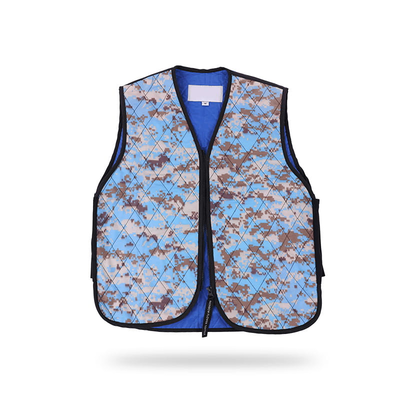
Technical Comparison of Reflective Vest Classes
Understanding the distinction between different safety standards helps users choose a vest that matches their environmental risk level. The following table breaks down the typical categories found in high-visibility outdoor gear:
| Feature | Class 1 (Low Risk) | Class 2 (Medium Risk) | Class 3 (High Risk) |
| Traffic Speed | Under 25 mph | 25 - 50 mph | Over 50 mph |
| Reflective Width | 1 inch | 1.375 inches | 2 inches |
| Best Use Case | Parking Lots / Sidewalks | Urban Cycling / Jogging | Highway / Night Work |
Key Features to Look for in a Premium Reflective Vest
When investing in outdoor safety gear, durability and functionality are just as important as the reflective surface area. A high-quality vest should withstand the rigors of weather and frequent use without losing its luminous properties.
- Reinforced Stitching: Look for double-stitched seams, especially around the zipper and shoulders, to prevent fraying during active movement.
- Weather Resistance: Choose materials treated with DWR (Durable Water Repellent) to ensure the vest doesn't become heavy and waterlogged during rain.
- Multi-Point Adjustability: Elastic side straps or Velcro tabs allow the vest to be worn over a t-shirt in summer or a heavy parka in winter.
- Utility Pockets: Dedicated spaces for IDs, keys, or emergency whistles add a layer of practical convenience for solo explorers.
- Washability: Ensure the reflective tape is rated for a high number of wash cycles (typically 25-50) before the brightness begins to degrade.
Maintenance and Longevity of Reflective Surfaces
To maintain the safety integrity of an outdoor reflective vest, proper care is non-negotiable. Dirt, oils, and harsh detergents can cloud the microscopic lenses in the reflective tape, significantly reducing its "return-to-source" light capabilities. It is generally recommended to wash these garments inside out on a gentle cycle using cold water and a mild detergent that does not contain bleach or fabric softeners.
Air drying is the preferred method, as the high heat of a commercial dryer can cause the heat-applied reflective strips to crack or peel away from the fabric base. Furthermore, users should periodically perform a "flashlight test" by holding a light source at eye level and shining it toward the vest in a dark room; if the reflection appears dull or patchy, it is a clear indicator that the vest has reached its end-of-life and needs replacement for continued safety.

 3rd Floor, East Gate, No. 2599 Park Road, Sheng Ze Town, Wu Jiang District, Suzhou City, Jiangsu Province
  +86- 0512-63519080
 +86-13584404311
  FQsales1@163.com