
 English
 简体中文
简体中文
Content
Understanding the Mechanisms of Modern Cooling Vests
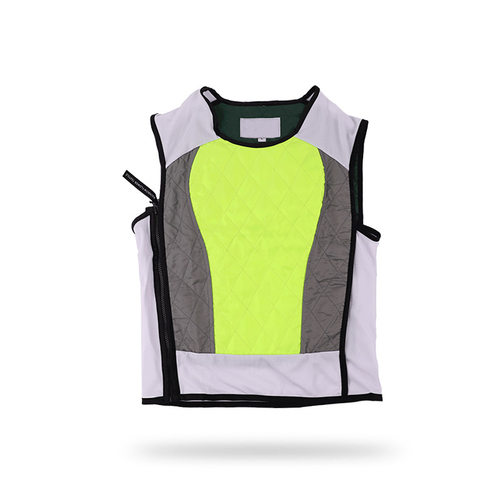
Cooling vests are engineered to mitigate heat stress by regulating core body temperature through various heat exchange methods. Unlike standard apparel, these vests utilize advanced materials and technologies to absorb or dissipate heat more effectively than natural perspiration alone. In high-temperature environments, the primary goal of a cooling vest is to prevent the body from reaching critical heat exhaustion levels, thereby maintaining cognitive function and physical endurance during prolonged exposure.
Evaporative Cooling Technology
Evaporative vests are the most common and cost-effective solutions available. These vests are soaked in water, which is then trapped within specialized polymer fibers. As the wearer moves through a dry environment, airflow causes the water to evaporate, drawing heat away from the body. These are ideal for outdoor workers in low-humidity environments where the evaporation process is most efficient.
Phase Change Material (PCM) Vests
PCM vests use bio-based or paraffin waxes contained in sealed inserts that "charge" at specific temperatures. Unlike ice packs that can be uncomfortably cold and cause vasoconstriction, PCM inserts typically maintain a constant temperature of approximately 58°F (14°C). This provides a steady, long-lasting cooling effect that is independent of ambient humidity levels, making them perfect for high-humidity industrial settings.
Comparative Analysis of Cooling Vest Types
Choosing the right vest requires an understanding of the specific work environment, including ambient temperature, humidity, and the duration of the task. The following table provides a breakdown of how the three primary types of cooling vests compare across key performance metrics.
| Vest Type | Cooling Duration | Ideal Environment | Recharge Method |
| Evaporative | 4–8 Hours | Dry/Outdoor | Water Soak |
| Phase Change (PCM) | 2–4 Hours | High Humidity/Indoor | Ice Water/Fridge |
| Vortex/Circulation | Continuous | Stationary Industrial | Compressed Air |
Critical Factors for Selection and Implementation
When integrating cooling vests into a safety protocol or personal routine, it is not enough to simply wear the garment; it must be fitted and maintained correctly to ensure maximum efficacy. Factors such as weight, mobility, and the presence of Flame Resistant (FR) requirements for certain job sites must be prioritized during the procurement process.
- Proper Fitment: A cooling vest must be snug against the body to facilitate heat transfer. If the vest is too loose, an insulating layer of air forms between the skin and the cooling medium, significantly reducing its effectiveness.
- Weight Management: PCM and ice-based vests can add significant weight (3 to 6 lbs). Users must balance the benefit of cooling with the increased metabolic heat generated by carrying the extra weight.
- Safety Compliance: For electricians or refinery workers, ensure the vest is rated for FR (Flame Resistance) and does not interfere with high-visibility (Hi-Vis) requirements mandated by OSHA or local safety boards.
- Hygiene and Maintenance: Since these vests are worn close to the body, they accumulate sweat and bacteria. Choose models with antimicrobial treatments or removable inserts that allow the outer carrier to be machine washed.
Optimizing Performance in Extreme Conditions
To get the most out of a cooling vest, users should adopt a "rotation" strategy, especially when using PCM or ice-based systems. Keeping a secondary set of cooling inserts in a portable cooler or onsite refrigerator allows for a quick swap when the initial set reaches its thermal capacity. Furthermore, wearing a moisture-wicking base layer underneath the vest can help prevent skin irritation and enhance the overall comfort of the cooling experience.


 3rd Floor, East Gate, No. 2599 Park Road, Sheng Ze Town, Wu Jiang District, Suzhou City, Jiangsu Province
  +86- 0512-63519080
 +86-13584404311
  FQsales1@163.com