
 English
 简体中文
简体中文
Content
- 1 What Are Cooling Wrist Wraps and How Do They Lower Body Temperature?
- 2 Types of Cooling Wrist Wraps: Which Technology Works Best?
- 3 Who Benefits Most from Cooling Wrist Wraps?
- 4 Cooling Wrist Wraps vs. Other Cooling Methods: How Do They Compare?
- 5 How to Use Cooling Wrist Wraps for Maximum Effect
- 6 What to Look for When Buying Cooling Wrist Wraps
- 7 Cooling Wrist Wraps for Specific Activities: Practical Recommendations
- 8 Common Questions About Cooling Wrist Wraps
What Are Cooling Wrist Wraps and How Do They Lower Body Temperature?
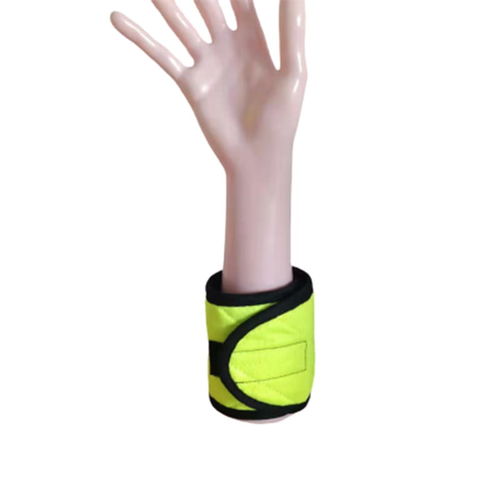
Cooling wrist wraps — also sold as cooling wristbands, ice wrist wraps, or wrist cooling sleeves — are wearable accessories designed to lower your perceived and actual body temperature by targeting the wrist, one of the body's most effective natural heat-exchange points. The wrist contains several major blood vessels that run close to the surface of the skin, including the radial and ulnar arteries. When these vessels are cooled, the blood passing through them drops in temperature before circulating back through the rest of the body — a process called pulse point cooling.
The physiological principle behind wrist cooling is well-established. Your body's thermoregulation system relies on the blood as a heat-transfer medium, moving heat from the body's core to the extremities where it can be released. By artificially cooling blood at a high-flow pulse point like the wrist, you can reduce core temperature more efficiently than cooling the same surface area on your arm or leg. Studies in occupational health and sports science have confirmed that pulse point cooling at the wrists, neck, and temples provides meaningful relief from heat stress — particularly during and after physical exertion in hot environments.
Cooling wrist wraps deliver this effect through several different mechanisms depending on their design: evaporative cooling from water-soaked fabric, conductive cooling from gel inserts or ice packs, or a combination of both. The result — in practical terms — is a noticeable reduction in the sensation of overheating, reduced sweating, improved comfort during exercise or outdoor work, and in some cases measurable improvements in performance and recovery.
Types of Cooling Wrist Wraps: Which Technology Works Best?
Not all cooling wristbands and wraps work the same way, and the best choice depends on your activity, environment, and how long you need the cooling effect to last. Here's a breakdown of the main types and what each one does best.
Evaporative Cooling Wrist Wraps
Evaporative cooling wraps are made from highly absorbent, fast-wicking fabrics — most commonly a polymer-based material like PVA (polyvinyl alcohol) or a specialty microfiber blend — that hold a large amount of water relative to their weight. When soaked and wrung out, the wrap sits damp against the skin. As the water evaporates, it draws heat away from the skin in the same way sweat does — but far more efficiently than sweat alone. The cooling effect typically begins within 30 seconds of putting on a wet wrap and lasts 1–4 hours depending on ambient temperature, humidity, and airflow.
Evaporative wraps work best in hot, low-humidity environments where evaporation is fast. In high-humidity conditions — a hot summer day with 90%+ relative humidity — evaporation slows significantly and the cooling effect is reduced. These are the lightest and most packable option, making them a go-to choice for runners, cyclists, outdoor festival-goers, and anyone who needs portable heat relief without carrying ice.
Gel Insert Cooling Wrist Wraps
Gel cooling wraps contain a flexible pouch filled with a phase-change gel or water-based cooling gel that is chilled in a freezer or refrigerator before use. The gel conducts cold directly to the skin through conduction — physical contact between a cold surface and a warmer one — which is more powerful than evaporative cooling and works regardless of humidity level. Gel inserts typically stay cold for 20–60 minutes depending on ambient temperature and how thoroughly they were frozen.
This type is particularly effective for post-workout recovery, heat exhaustion first aid, managing hot flashes, or providing relief during intense short-duration activities. The limitation is that the cooling window is finite — once the gel warms up, it needs to be re-chilled before it works again. Many products include two or more interchangeable gel inserts so you can swap them during extended use.
Ice Pack Wrist Wraps
Ice wrist wraps use a flexible compartment or sleeve that holds crushed ice or ice cubes directly against the pulse points. This provides the most intense and fastest cooling of any wrist wrap type, and is the preferred choice for heat emergency response, post-exertion recovery in high-performance sports, and situations where rapid core temperature reduction is the priority. The downside is practicality — you need a supply of ice, the wrap becomes wet as ice melts, and the cooling window is limited to however long the ice lasts (typically 15–30 minutes in warm conditions).
Hybrid and Phase-Change Material Wraps
A newer category of cooling wrist wrap uses phase-change materials (PCMs) — substances engineered to absorb and release heat at a specific temperature as they change between solid and liquid states. PCM wraps are pre-charged by placing them in a refrigerator (not a freezer) and they release cooling energy at a consistent temperature — often around 59–65°F (15–18°C) — for longer periods than standard gel packs. They also don't produce the uncomfortable "too cold" sensation that direct ice contact can cause. These are used extensively in industrial heat stress management, military applications, and by athletes who need sustained, controlled cooling over multiple hours.
Who Benefits Most from Cooling Wrist Wraps?
Cooling wrist wraps are genuinely useful across a wide range of situations and populations, not just elite athletes. Here are the groups who tend to get the most practical benefit.
- Endurance athletes and runners: Cooling the wrists during a long run, cycling event, or triathlon can reduce perceived exertion and help delay the onset of heat-related performance decline. Evaporative wraps are popular here because they're lightweight and can be re-wetted mid-race at aid stations.
- Outdoor workers: Construction workers, landscapers, agricultural workers, and others who spend extended hours in the sun face real heat stress risks. Wearing cooling wristbands throughout a shift can reduce cumulative heat load and lower the risk of heat exhaustion and heat stroke.
- People with hyperhidrosis or hot flashes: Individuals who sweat excessively or experience menopause-related hot flashes often find pulse point cooling provides fast, discreet relief without the inconvenience of fans or cold drinks.
- Gym-goers and weightlifters: Cooling wrist wraps during rest periods between sets can help the body recover faster and maintain a lower heart rate during high-intensity training sessions.
- People with heat sensitivity conditions: Those with multiple sclerosis, lupus, or other conditions that cause sensitivity to heat often find that core temperature management through pulse point cooling meaningfully reduces symptom flares triggered by overheating.
- Gamers and desk workers in warm environments: Anyone spending hours at a computer in a warm room can benefit from the comfort and focus improvement that comes from keeping cool — without having to crank the air conditioning.
- Travelers in hot climates: Lightweight evaporative cooling wristbands pack flat, weigh almost nothing, and can be activated with tap water — making them excellent travel companions for tropical destinations or summer city trips.
Cooling Wrist Wraps vs. Other Cooling Methods: How Do They Compare?
Cooling wrist wraps are one tool in a broader heat management toolkit. Understanding how they compare to other common cooling strategies helps you decide when to use them alone and when to combine them with other approaches.
| Method | Cooling Speed | Duration | Portability | Best For |
| Cooling wrist wraps (evaporative) | Moderate (30–60 sec) | 1–4 hours | Excellent | Sustained activity, outdoor use |
| Gel wrist cooling wraps | Fast (immediate) | 20–60 min | Good | Recovery, short-term relief |
| Cooling towel (neck/face) | Moderate | 1–3 hours | Good | General heat relief, hands-free |
| Cold water immersion | Very fast | Short (while immersed) | Poor | Post-exercise recovery |
| Cooling vest | Fast | 1–3 hours | Moderate | High-performance sports, industrial |
| Drinking cold water | Moderate | Short | Excellent | Hydration + mild core cooling |
| Fan / air conditioning | Moderate–fast | Continuous | Poor | Stationary indoor use |
The practical advantage of cooling wrist wraps is their combination of meaningful effectiveness, hands-free wearability, and portability. A cooling vest covers more surface area and provides greater overall cooling, but it's bulky, expensive, and impractical for many activities. Wrist wraps hit a sweet spot for everyday use — easy to carry, easy to activate, and genuinely effective at reducing heat discomfort.
How to Use Cooling Wrist Wraps for Maximum Effect
Getting the most from your cooling wrist wraps requires more than just putting them on. A few simple techniques significantly improve their effectiveness and how long the cooling lasts.
For evaporative cooling wraps
- Soak the wrap in cold water for 1–2 minutes until fully saturated, then wring it out firmly until it stops dripping. A dripping-wet wrap feels uncomfortable and doesn't cool more effectively than a well-wrung one.
- Snap or shake the wrap several times before putting it on — this agitation helps activate the evaporative process and dramatically speeds up initial cooling onset.
- Position the wrap directly over the pulse point on the inside of the wrist, not on the back of the hand. The inside surface is where the radial artery runs closest to the skin.
- Re-wet the wrap as soon as the cooling sensation fades — most evaporative wraps can be reactivated dozens of times with plain water and maintain effectiveness indefinitely.
- In high-humidity environments, fan the wrap briefly after wetting to accelerate initial evaporation and help the cooling process get started.
For gel and ice cooling wraps
- Freeze gel inserts for at least 2 hours before use for maximum cold retention. Some gel packs can also be chilled in a refrigerator if you prefer a less intense sensation — useful for sensitive skin or longer wear sessions.
- Place a thin layer of fabric between the gel and the skin if the cold feels uncomfortable, especially during the first few minutes when the gel is at its coldest.
- Keep spare gel inserts in a cooler bag during extended outdoor events or workdays so you can swap them out as they warm up.
- Never apply ice or a frozen gel pack directly to bare skin for extended periods — limit direct contact to 15–20 minutes per session to prevent cold burns or skin irritation.
Combine with other pulse points for stronger effect
Wrist wraps work best as part of a multi-point cooling strategy. Combining wrist cooling with a damp cooling towel on the neck, and cold water consumption, produces a synergistic effect that is significantly more powerful than any single method alone. If you're using cooling wrist wraps during exercise, applying them at the wrists and neck simultaneously is one of the most effective non-immersion cooling strategies available.
What to Look for When Buying Cooling Wrist Wraps
The market for cooling wristbands and wraps ranges from effective, well-engineered products to cheaply made items that barely cool at all. Knowing what specifications and features to look for saves you from wasting money on something that underperforms.
- Material quality: For evaporative wraps, look for PVA (polyvinyl alcohol) or a high-quality microfiber blend — these materials hold significantly more water and evaporate more efficiently than basic cotton or polyester. PVA wraps feel slightly tacky when activated, which is normal and indicates good water retention.
- Adjustability and fit: A wrap that's too loose won't maintain contact with the pulse point effectively; too tight and it restricts circulation. Look for wraps with Velcro closures, snap buttons, or tie closures that allow a snug but comfortable fit across a range of wrist sizes.
- Cooling duration: Check manufacturer claims against independent reviews. Legitimate evaporative wraps should stay cool for at least 1–2 hours in moderate conditions. Be skeptical of claims exceeding 4 hours — this is typically only achievable in very low humidity.
- Reusability and washability: A good cooling wrist wrap should be machine washable and maintain its performance over many wash cycles. Check whether the manufacturer specifies a lifespan or recommends replacing after a certain number of uses.
- Gel flexibility at low temperatures: For gel wraps, the insert should remain flexible even when fully frozen — a stiff, rigid frozen gel pack won't conform to the wrist and will feel uncomfortable. Look for products that specifically describe "flexible when frozen" gel formulations.
- UV protection (for outdoor use): Some cooling wrist wraps incorporate UPF-rated fabric that provides sun protection in addition to cooling — useful for runners, cyclists, and outdoor workers with significant wrist and forearm sun exposure.
- Odor resistance: Wraps that are regularly soaked in water and worn during exercise are prone to mildew and bacterial odor if made from non-treated fabrics. Look for wraps with antimicrobial treatment or those made from inherently odor-resistant materials like PVA.
Cooling Wrist Wraps for Specific Activities: Practical Recommendations
Running and endurance sports
For running, evaporative cooling wristbands are the clear choice — lightweight, hands-free, and easily re-wetted at aid stations or water fountains. Look for a thin profile that doesn't add bulk around the wrist, and a secure but breathable fit that won't slide during movement. Wraps with a snap closure tend to stay put better during high-cadence activities than those relying on Velcro alone, which can loosen with repeated motion. Some endurance athletes wear two wraps — one on each wrist — and alternate dunking them in ice water at aid stations for continuous cooling through long events.
Weightlifting and gym training
In a gym setting, gel cooling wraps used between sets are particularly effective. Wearing them during rest periods — especially between high-intensity sets of compound movements like squats, deadlifts, or cleans — reduces heart rate recovery time and keeps core temperature from climbing across a long training session. Some gym-goers also use cooling wraps as part of a pre-cooling protocol before training in a hot gym: 15–20 minutes of gel wrap application to the wrists and neck before starting the session lowers starting core temperature and improves initial performance.
Outdoor work and heat stress management
For construction workers, agricultural laborers, and others in sustained occupational heat exposure, durability and all-day cooling capacity matter most. Evaporative PVA wraps that can be re-wetted throughout the day are the most practical choice, combined with a supply of cold water for reactivation. Workers in environments with access to a cooler can supplement with gel inserts swapped during breaks. OSHA heat illness prevention guidelines recommend regular rest in cool areas and active cooling strategies for workers in heat index conditions above 91°F (33°C) — wrist wraps are a low-cost, practical part of this strategy.
Hot flash and heat sensitivity relief
For managing hot flashes, the ideal cooling wrap is one that can be kept in a bedside drawer or desk and deployed quickly when a flash begins. Gel wraps that can be stored in a small cooler or refrigerator work well — the onset of cooling is immediate and the gel produces a reliably consistent temperature rather than the extreme cold of ice. For daytime wear in air-conditioned offices or public settings, slim evaporative wristbands in neutral colors provide discreet, continuous comfort without drawing attention.
Common Questions About Cooling Wrist Wraps
Can you sleep with cooling wrist wraps on?
Evaporative wraps can generally be worn during sleep, though they'll warm up and dry out during the night. Gel or ice wraps are not recommended for overnight wear — the extended cold contact can cause skin irritation or localized tissue damage. If you struggle with overheating at night, a lightly damp evaporative wrap applied before sleep is a simple and safe option; it will provide cooling for a couple of hours as you drift off, which is often enough to make falling asleep easier.
Are cooling wrist wraps safe for children?
Evaporative cooling wristbands are generally safe for children, provided the fit is appropriate for smaller wrists and the wrap isn't so tight it restricts circulation. Gel and ice wraps should be used with adult supervision for children, and the same 15–20 minute limit on cold contact applies — children's skin is more sensitive and can develop cold burns faster than adults.
Do cooling wrist wraps work in high humidity?
Evaporative cooling wraps are less effective in high humidity because slow evaporation reduces the heat-transfer rate. In very humid conditions — above 80–85% relative humidity — gel or ice wraps are a more reliable choice since they rely on conduction rather than evaporation. In mixed conditions, a hybrid approach works well: use an evaporative wrap as a base layer and supplement with a gel insert during peak heat periods.

 3rd Floor, East Gate, No. 2599 Park Road, Sheng Ze Town, Wu Jiang District, Suzhou City, Jiangsu Province
  +86- 0512-63519080
 +86-13584404311
  FQsales1@163.com