
 English
 简体中文
简体中文
Content
What Exactly Is a Cooling Head Wrap?
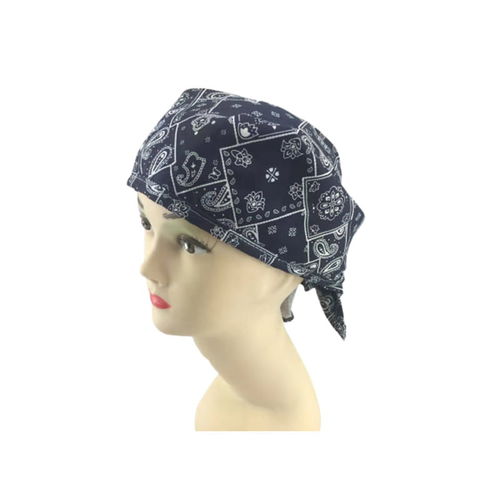
A cooling head wrap is a soft band or cap-style accessory filled with a gel, beads, or other cold-retaining material that you chill before use. Once it's been in the freezer or fridge for a set amount of time, you wrap it around your forehead, temples, or full head to bring down skin temperature and ease discomfort. Unlike a traditional ice pack wrapped in a towel, a head wrap is designed to stay put while you move around, work, sleep, or exercise, which makes it far more practical for everyday relief. Many people reach for one during a migraine, after a long day in the sun, or simply to cool off during a hot summer afternoon.
The science behind why a cooling head wrap feels so good is fairly straightforward. Cold therapy constricts blood vessels near the skin's surface, which can reduce inflammation and dull the sensation of throbbing pain. At the same time, the cooling sensation distracts the nervous system from focusing on discomfort, which is part of why so many people describe an instant sense of relief the moment the wrap touches their skin. For heat-related use, the wrap simply pulls excess warmth away from the head and neck area, helping the body regulate temperature more efficiently.
Who Benefits Most From Using One
While anyone can use a cooling head wrap, certain groups tend to get the most value out of keeping one on hand. Migraine and tension headache sufferers often find that a chilled wrap shortens the intensity and duration of an episode, especially when applied early. Outdoor workers, athletes, and gardeners frequently use one to prevent overheating during long hours under the sun. People going through menopause sometimes use a cooling wrap to manage hot flashes at night, and parents often keep one in the freezer for kids running a mild fever or feeling overheated after outdoor play.
Common Situations Where a Cooling Head Wrap Helps
- Tension headaches or migraines that come on during work or travel
- Overheating during outdoor exercise, running, or sports practice
- Hot flashes associated with menopause or hormonal changes
- Mild fevers in children or adults needing gentle, drug-free cooling
- Long commutes or outdoor events in extreme summer heat
- Post-sun exposure relief after a day at the beach or pool
Types of Cooling Head Wraps and How They Differ
Not all cooling head wraps work the same way, and choosing the right type can make a noticeable difference in comfort and effectiveness. Gel-based wraps are the most common; they contain a non-toxic gel that becomes pliable and flexible once chilled, allowing the wrap to mold around the curve of the head. Bead-filled wraps use small polymer beads that also soften when frozen, offering a slightly different texture that some people find more comfortable against the skin. There are also evaporative cooling wraps, which use a special fabric that activates with water rather than freezing, making them a good choice for situations where access to a freezer isn't realistic, like during travel or outdoor festivals.
Comparing the Main Types
| Type | Activation Method | Best For |
| Gel-filled wrap | Freezer, 1-2 hours | Migraines, longer-lasting cold |
| Bead-filled wrap | Freezer, 1-2 hours | Flexible, snug fit around head |
| Evaporative cooling wrap | Soak in cold water, snap or wring | Travel, outdoor activities, no freezer needed |
How to Use a Cooling Head Wrap the Right Way
Getting the most out of a cooling head wrap comes down to preparation and timing. For gel or bead wraps, place the wrap flat in the freezer for at least one to two hours before first use, and keep it stored there between uses so it's always ready to go. When you take it out, give it a few seconds to soften slightly if it feels too rigid, then position it around your forehead and temples, or pull it down over the crown of your head depending on the wrap's design. Most wraps stay cold and comfortable for twenty to forty-five minutes, which is typically enough time to take the edge off a headache or cool down after time outside.
Tips for Getting the Best Results
- Apply the wrap as soon as you notice early headache symptoms for faster relief
- Keep a thin cloth between the wrap and skin if it feels too intense at first
- Re-freeze or re-soak the wrap right after each use so it's ready next time
- Pair the wrap with a quiet, dim room when managing migraine symptoms
- Adjust the strap or band snugly but not too tight to avoid added pressure
What to Look for Before Buying One
With so many cooling head wraps on the market, a few key features separate the genuinely useful ones from the disappointing ones. Adjustability matters most, since a wrap that's too loose will slide off and one that's too tight can add pressure that worsens a headache. Material softness against the skin is another important factor, particularly for people with sensitive skin or scalp conditions. It's also worth checking how long the cooling effect lasts before the wrap needs to be re-chilled, as well as whether it's machine washable, since head wraps used during exercise or fever care need regular cleaning.
Key Features Worth Checking
- Adjustable strap or stretchy band for a secure, customizable fit
- Soft, skin-friendly outer fabric that won't irritate the forehead
- Reasonable cooling duration, ideally thirty minutes or longer
- Machine-washable or easy-to-wipe-clean design
- Non-toxic gel or filling material, especially important for use around children
Safety Considerations and Common Mistakes to Avoid
A cooling head wrap is generally very safe, but a few precautions go a long way toward avoiding discomfort or skin issues. Applying an extremely cold wrap directly to bare skin for too long can occasionally cause numbness or mild irritation, so it helps to limit continuous use to around thirty to forty-five minutes at a time and take a short break before reapplying. People with certain circulatory conditions or extreme cold sensitivity should check with a healthcare provider before regular use. It's also worth remembering that while a cooling wrap can ease headache symptoms, it isn't a substitute for addressing the underlying cause of frequent or severe headaches, so persistent symptoms are always worth discussing with a doctor.
When used thoughtfully, a cooling head wrap remains one of the simplest, most affordable tools for managing everyday discomfort from heat and headaches alike. Keeping one chilled and ready in the freezer means relief is always just a few minutes away, whether the trigger is a stressful day, a summer heatwave, or a sudden headache that won't wait.

 3rd Floor, East Gate, No. 2599 Park Road, Sheng Ze Town, Wu Jiang District, Suzhou City, Jiangsu Province
  +86- 0512-63519080
 +86-13584404311
  FQsales1@163.com