
 English
 简体中文
简体中文
Content
- 1 What Are Safety Cooling Vests and Why They Matter
- 2 How Different Types of Cooling Vests Work
- 3 Comparing Cooling Vest Types
- 4 Industries That Rely on Safety Cooling Vests
- 5 What to Consider Before Purchasing Cooling Vests for Your Team
- 6 Maintenance Tips to Extend Vest Lifespan
- 7 Sourcing Considerations for Bulk Workplace Orders
What Are Safety Cooling Vests and Why They Matter
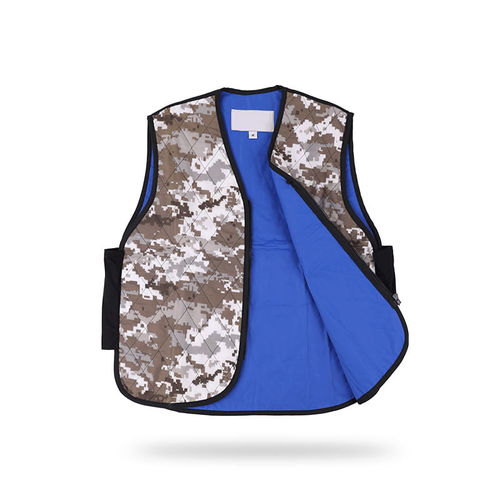
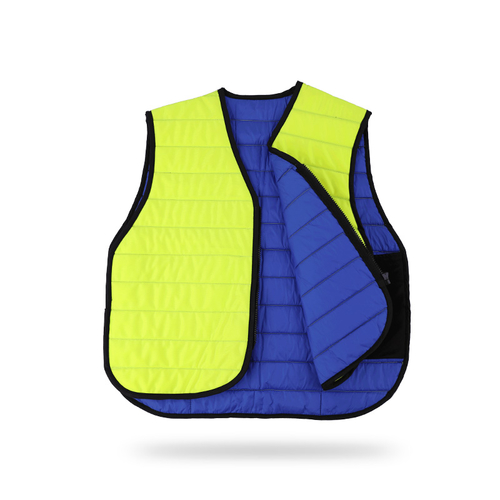
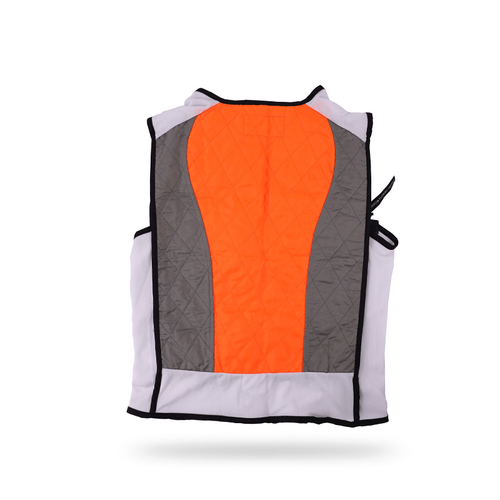
Safety cooling vests are wearable garments designed to help regulate body temperature for workers exposed to hot environments, whether that's outdoor construction sites, factory floors near industrial equipment, or kitchens with constant heat exposure. These vests work by either storing cooling packs, circulating water, or using evaporative materials that draw heat away from the body, helping reduce the risk of heat-related illness during long shifts.
Heat stress is a serious occupational hazard, and prolonged exposure without proper protection can lead to fatigue, reduced concentration, and in severe cases, heat exhaustion or heat stroke. This is why many industries now treat safety cooling vests as standard personal protective equipment, not just an optional comfort item.
How Different Types of Cooling Vests Work
Not all cooling vests use the same cooling method, and understanding the differences helps buyers choose the right option for their specific work environment.
Ice or Gel Pack Cooling Vests
These vests use inserted ice packs or gel packs that are frozen before use, providing direct, consistent cooling for a set period of time. They tend to offer the strongest cooling effect but require access to a freezer for recharging packs between shifts.
Evaporative Cooling Vests
Evaporative vests use water-absorbent fabric that cools through evaporation as air passes over it. Workers soak the vest in water before wearing it, and the cooling effect continues as long as the fabric stays damp, making it a lighter, more breathable option for extended wear.
Phase Change Material (PCM) Vests
PCM vests use special inserts that absorb and release heat at a specific melting point, providing a steady cooling temperature over a longer duration compared to standard ice packs. These are often favored in industrial settings where consistent, predictable cooling matters more than peak intensity.
Comparing Cooling Vest Types
Choosing between these options depends on your work environment, shift length, and access to recharging resources like water or freezers.
| Vest Type | Cooling Duration | Best Suited For |
| Ice/Gel Pack Vest | 1-2 hours per charge | Short, intense heat exposure tasks |
| Evaporative Vest | Several hours, re-wettable | Outdoor work with access to water |
| PCM Vest | 2-4 hours, steady temperature | Long shifts needing consistent cooling |
Some workplaces even rotate between vest types depending on the season or specific task, using lighter evaporative vests for general outdoor work and switching to ice pack vests during extreme heat conditions.
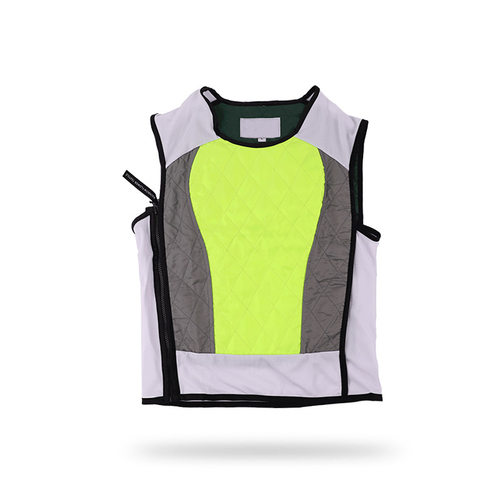
Industries That Rely on Safety Cooling Vests
While cooling vests are useful in almost any hot environment, certain industries depend on them heavily as part of standard heat safety protocols.
- Construction crews working outdoors during summer months
- Warehouse and factory workers near heat-generating machinery
- Foundry and metalworking employees exposed to extreme radiant heat
- Firefighters and emergency responders working in heavy protective gear
- Agricultural workers spending long hours in direct sun exposure
In many of these industries, providing safety cooling vests isn't just about worker comfort — it directly impacts productivity and reduces heat-related incident reports during peak summer months.
What to Consider Before Purchasing Cooling Vests for Your Team
Selecting the right cooling vest involves more than picking the coldest option available. Several practical factors should guide the decision for workplace use.
- Weight and mobility, since bulky vests can interfere with physical tasks
- Ease of recharging cooling packs or re-wetting fabric during shifts
- Compatibility with existing PPE like harnesses or high-visibility gear
- Durability and ease of cleaning for repeated daily use
- Sizing options to ensure proper fit across different body types
Vests that are uncomfortable or restrict movement often end up unused, no matter how effective their cooling technology is, so fit and practicality should weigh just as heavily as cooling performance.
Maintenance Tips to Extend Vest Lifespan
Proper care significantly extends the usable life of a safety cooling vest. Ice and gel packs should be fully dried before storage to prevent mold growth inside the vest lining, while evaporative vests need regular washing to prevent mineral buildup or odor from repeated water absorption cycles.
It's also worth inspecting vests periodically for worn seams, damaged zippers, or leaking pack pockets, since small issues can worsen quickly with daily industrial use. Replacing damaged vests promptly helps ensure workers stay consistently protected throughout hot working seasons.
Sourcing Considerations for Bulk Workplace Orders
For companies outfitting an entire workforce, it's worth requesting samples to test comfort and cooling performance under real working conditions before committing to a bulk order. Ask suppliers about sizing ranges, minimum order quantities, and whether custom branding or high-visibility color options are available.
It's also important to confirm the supplier can provide consistent quality across large orders, since variations in fabric quality or cooling pack performance can lead to uneven protection across your team. A supplier with documented testing data and reliable batch consistency is generally a safer choice for organizations prioritizing worker safety at scale.

 3rd Floor, East Gate, No. 2599 Park Road, Sheng Ze Town, Wu Jiang District, Suzhou City, Jiangsu Province
  +86- 0512-63519080
 +86-13584404311
  FQsales1@163.com