
 English
 简体中文
简体中文
If you wear a hard hat for hours, you already know that a small detail can make or break your day. A hard hat pad is one of those details. It sits between the shell and your head, softens pressure points, absorbs sweat, and helps your helmet feel less like a heavy bucket. At Wujiang Fangqi Textile Co., Ltd., we have spent years making cooling and protective textile products for workers, sportspeople, and distributors. This guide shares what we have learned about hard hat pads, from materials and types to fit and replacement.
Whether you are buying for yourself, outfitting a crew, or sourcing for a brand, understanding how pads work will help you choose better. For a broader look at our own production and quality process, you can visit our factory page.
Content
- 1 What Is a Hard Hat Pad?
- 2 Common Types of Hard Hat Pads
- 3 Materials That Make a Difference
- 4 Choosing the Right Pad for Your Work Environment
- 5 Fit and Compatibility: Matching Pads to Your Hard Hat
- 6 Installation and Replacement Basics
- 7 Maintenance and When to Replace
- 8 Safety and Compliance Notes
- 9 Custom and Bulk Orders for Distributors and Brands
What Is a Hard Hat Pad?
A hard hat pad is an accessory that fits inside the helmet suspension. Sometimes it is a sweatband that runs across the forehead. Sometimes it is a crown pad that cushions the top of the head. In other cases, it is a full liner that adds warmth, cooling, or vibration damping. No matter the shape, its job is to improve comfort without changing how the hard hat protects you.
Most hard hats already have a suspension system that keeps the shell away from your skull. That gap absorbs impact. A pad does not replace that system. Instead, it works with it. It reduces friction, wicks moisture, and can add a layer of softness where the suspension presses. For people who work in heat, cold, or noisy environments, the right pad can turn a basic helmet into a much more comfortable piece of gear.
Common Types of Hard Hat Pads
Pads come in several forms, and each one solves a slightly different problem. The table below gives a quick overview, but the sections that follow explain each type in more detail.
| Type | Typical Materials | Best For | Key Benefit |
|---|---|---|---|
| Sweatband | Cotton, polyester, moisture-wicking fabric | Everyday work in mild to hot conditions | Absorbs sweat and reduces forehead irritation |
| Comfort crown pad | Foam, gel, soft fabric | Long shifts and pressure-sensitive users | Cushions the top of the head |
| Foam pad | Open-cell or closed-cell foam | General comfort and light impact damping | Adds softness without much bulk |
| Winter liner | Fleece, knit fabric, thermal materials | Cold weather and outdoor winter work | Keeps the head warm under the helmet |
| Cooling pad | Evaporative fabric, gel, PCM, water-absorbing polymer | Hot, humid, and high-exertion jobs | Helps lower head temperature |
Sweatbands
A sweatband is the simplest pad. It wraps around the inside of the helmet or clips to the suspension. Its main purpose is to catch sweat before it runs into your eyes. Many workers start with a sweatband because it is inexpensive and easy to replace. Look for one that wicks moisture rather than holding it against the skin.
Comfort Crown Pads
Crown pads sit on top of the head, where the suspension can create pressure points. They are often made from foam, gel, or a combination of both. If you wear a hard hat all day, a crown pad can reduce the dull ache that comes from constant contact. Some models are self-adhesive, while others attach with clips or hook-and-loop fasteners.
Foam Pads
Foam pads are versatile. Open-cell foam is soft and breathable, but it can absorb water. Closed-cell foam resists moisture and is easier to wipe clean. Foam pads are often used as a base layer for other materials. They are a good choice if you want a low-profile pad that takes the edge off pressure without adding heat.
Winter Liners
In cold weather, a hard hat liner adds insulation. These pads usually cover more of the head and may include ear flaps or neck coverage. The key is to choose a liner that does not interfere with the suspension or the fit of the helmet. If a liner is too thick, it can push the helmet up and change the way it sits.
Cooling Pads
Cooling pads are designed for heat. Some use evaporative fabrics that release cooling energy as moisture evaporates. Others use gel packs, phase change materials (PCM), or water-absorbing polymers. They can be soaked in water, refrigerated, or worn dry depending on the design. For construction, roadwork, and warehouse teams, a cooling pad can help reduce heat stress during long summer shifts.
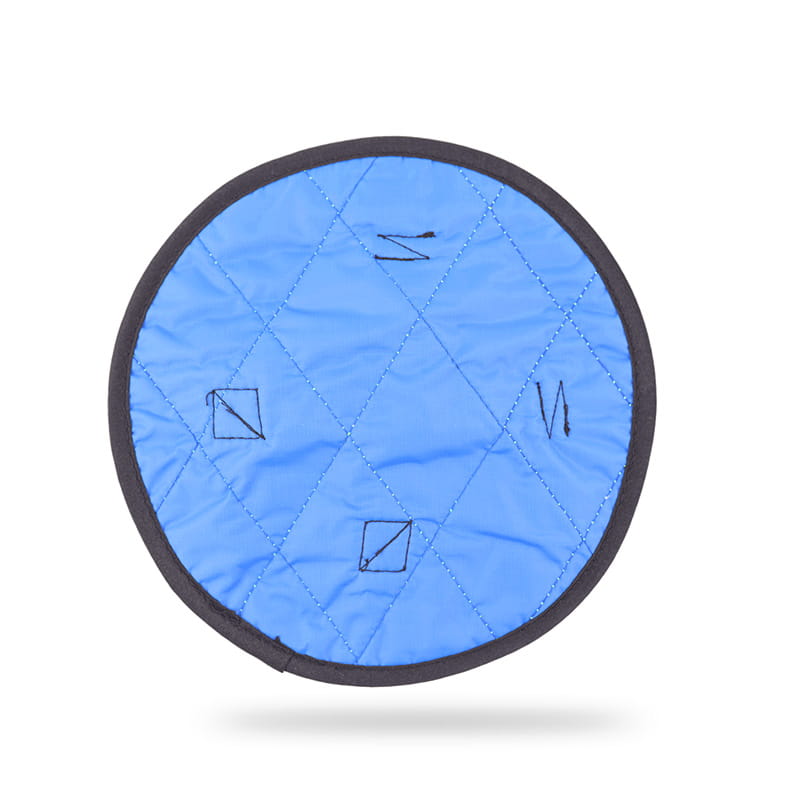 Hard Hat Cooling Pads FQ-1012 for Hot Work EnvironmentsHook-and-loop cooling inserts for hard hat liners, offering 5–10 hours of relief per soaking, lightweight polyester mesh, and reusable fit for hot jobs.View Product →
Our own hard hat cooling pads are made for this exact purpose. They fit inside standard helmets and use a moisture-absorbing core to provide a steady cooling effect without adding much weight.
Materials That Make a Difference
The material inside a pad decides how it feels, how long it lasts, and how well it handles sweat, heat, or cold. Here are the main options you will see.
- Cotton and blended fabrics: Soft and breathable, but they stay wet longer. Good for mild conditions and short shifts.
- Polyester and nylon: Durable, quick-drying, and often used in moisture-wicking sweatbands.
- Open-cell foam: Cushiony and airy, but it can soak up sweat and take time to dry.
- Closed-cell foam: Wipe-clean and water-resistant, with a firmer feel.
- Gel: Conforms to the head and provides pressure relief, but it can feel heavy.
- Phase change materials (PCM): Absorb and release heat at a controlled temperature, often used in high-end cooling pads.
- Evaporative fabrics: Use water and airflow to create a cooling effect. They are lightweight and popular for hot, dry climates.
- Fleece and thermal knits: Trap warm air for winter liners and cold-weather pads.
Material choice also affects maintenance. Foam and gel pads may need more careful cleaning, while fabric sweatbands can often go into a washing machine. Always check the manufacturer's instructions before you wash any pad that contains gel, PCM, or adhesive parts.
Choosing the Right Pad for Your Work Environment
The best pad depends on where you work and how long you wear your hard hat. A pad that feels great in an air-conditioned warehouse may be uncomfortable on a sunny construction site. Use the following guidelines to narrow your options.
Hot and Humid Environments
In heat, your priority is moisture management and cooling. Look for a sweatband or cooling pad with evaporative fabric or a gel core. Avoid heavy foam that traps heat. If humidity is high, evaporation slows down, so a gel or PCM pad may work better than an evaporative one. Breathable mesh layers also help air move around the head.
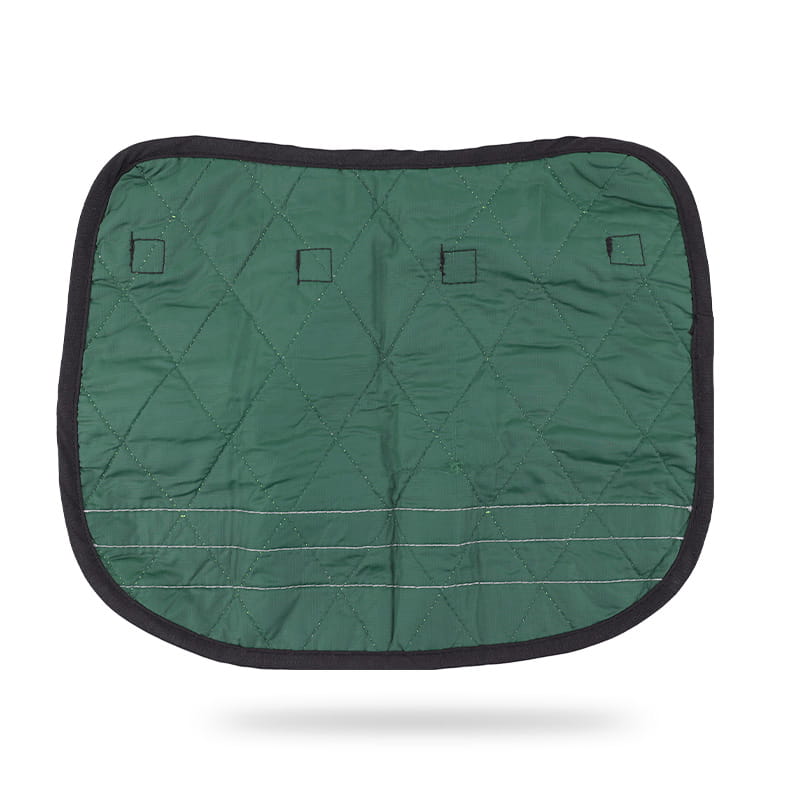 Helmet Cooling Head Pads FQ-1016 with Evaporative MaterialSoak for 1–2 minutes to activate SAF evaporative cooling, helping keep heads cool for 5–8 hours in hot work or sports settings.View Product →
Our helmet cooling head pads combine a soft fabric surface with a cooling insert. They are a practical choice for crews who need relief without changing their helmet.
Cold Weather Work Sites
Cold weather calls for insulation, but you still need to hear and see clearly. A thin fleece liner or thermal crown pad can add warmth without making the helmet fit too tight. Some winter pads include a neck curtain, which helps block wind. Just make sure the liner does not cover your ears completely if you need to hear warning signals.
Vibration-Heavy Tasks
If you work with impact tools or heavy machinery, vibration can travel through the helmet. A foam or gel pad can absorb some of that vibration and reduce fatigue. Look for pads with a denser foam layer or a gel insert that stays in place.
Long Shift Duration
For 10-hour or 12-hour shifts, comfort is not a luxury. A crown pad and a sweatband together can prevent pressure points and keep sweat out of your eyes. Replaceable pads are a good idea because you can swap them out mid-shift if one becomes wet or compressed.
Fit and Compatibility: Matching Pads to Your Hard Hat
Not every pad fits every helmet. Hard hats use different suspension systems, such as ratchet, pinlock, or 4-point and 6-point suspensions. The pad must sit smoothly against the suspension without creating new pressure points.
Before buying, check the inside of your helmet. Measure the width across the forehead and the distance from the front to the crown. Many pads are designed as universal fit, but some are specific to certain shell shapes. If you are ordering for a team, ask for a sample first. A pad that fits well should stay in place when you put the helmet on and take it off. It should not slide, bunch up, or lift the suspension away from your head.
If you are sourcing pads for resale or corporate gifts, customization can make a difference. You can add your logo, choose colors, or combine different materials. We offer flexible options for bulk orders, and you can see our customization page for more details.
Installation and Replacement Basics
Installing a hard hat pad is usually straightforward. The exact steps depend on the pad type, but the process is similar for most models.
- Remove the hard hat and turn it upside down.
- Clean the inside of the shell and the suspension with a damp cloth.
- If the pad has adhesive backing, peel off the protective film and press it firmly onto the clean surface.
- If the pad uses clips or hook-and-loop straps, attach it to the suspension at the marked points.
- Place the helmet on your head and adjust the suspension so the pad sits comfortably.
- Check that the pad does not interfere with the shell's impact absorption or your line of sight.
Replacement schedules vary. A sweatband may need washing every few days and replacing every one to three months. Foam and gel pads can last longer if they are cleaned regularly, but they should be replaced when they lose their shape, develop cracks, or stop staying in place. In hot climates, cooling pads may need more frequent replacement because the cooling material degrades over time.
Maintenance and When to Replace
Good maintenance keeps pads comfortable and extends their life. Here are some habits that help.
- Wash fabric pads according to the care label. Use mild detergent and avoid fabric softener, which can clog moisture-wicking fibers.
- Wipe foam and gel pads with a damp cloth and mild soap. Do not soak them unless the manufacturer says it is safe.
- Air-dry pads completely before putting them back in the helmet. Damp pads can cause skin irritation and odors.
- Inspect pads for tears, flattened foam, or loose adhesive. Replace them if they no longer stay in place.
- Keep a spare pad in your bag or locker so you can swap it out when needed.
If you work in a very hot or dirty environment, you may need to replace pads more often. A good rule is to check your pad every week and replace it at the first sign of wear. It is a small cost compared with the discomfort of a failing pad.
Safety and Compliance Notes
A hard hat pad should never change the protective function of your helmet. Standards such as ANSI Z89.1 and EN 397 set requirements for hard hats, and adding accessories can sometimes affect compliance. Before you use a pad on a job site, check with your safety officer.
Keep these points in mind:
- Do not modify the hard hat shell or suspension.
- Do not place a pad between the suspension and the shell in a way that reduces the impact gap.
- Make sure the pad does not block ventilation holes or prevent the helmet from sitting level.
- If a pad contains metal parts, check that they do not create a conductive path.
- Follow the helmet manufacturer's guidance on approved accessories.
When in doubt, choose a pad that is designed specifically for hard hat use. A well-made pad should be a comfort upgrade, not a safety risk.
Custom and Bulk Orders for Distributors and Brands
If you are a distributor, safety manager, or brand owner, you may need pads in volume. We produce cooling and protective textile products at our factory in Shengze, China. Our team can help you choose materials, colors, and packaging that match your market. We also support OEM and ODM projects, so you can build a pad that fits your customers' needs.
Many of our partners start with a sample order to test comfort and durability. From there, we can scale up production and manage delivery through major ports. If you want a cooling solution that covers more than the forehead, we also make head cooling hats that work with hard hats and other helmets.
 Head Cooling Hat Pad FQ-1011 for Work and SportsHook-and-loop cooling accessory for hard hat liners, providing 5–10 hours of relief after soaking and fitting outdoor work or cycling helmets.View Product →
To discuss a custom hard hat pad or a full cooling accessory line, reach out to our team. We are happy to share material samples and help you find the right fit for your workers or customers.
Hard hat pads are small, but they affect comfort, focus, and safety. By choosing the right type and material for your environment, you can make a long shift much easier. Whether you need a simple sweatband or a cooling insert, the goal is the same: a helmet that feels better so you can work better. If you have questions about materials or want to explore custom options, our team is here to help.

 3rd Floor, East Gate, No. 2599 Park Road, Sheng Ze Town, Wu Jiang District, Suzhou City, Jiangsu Province
  +86- 0512-63519080
 +86-13584404311
  FQsales1@163.com