
 English
 简体中文

A reflective cycling vest is one of those small pieces of gear that can make a surprising difference. It helps drivers spot you earlier, gives you a place to carry small essentials, and can add a layer of comfort when the weather turns hot or the light starts to fade. For commuters, club riders, event staff, and bike patrol teams, the right vest is less about looking technical and more about feeling seen, comfortable, and prepared.
Content
- 1 What Makes a Reflective Cycling Vest Different
- 2 Visibility Features That Matter After Dark
- 3 Hot-Weather Rides: Why Cooling Comfort Counts
- 4 Materials, Fit, and Everyday Comfort
- 5 A Practical Comparison of Common Vest Setups
- 6 Buying Checklist for Cyclists and Buyers
- 7 Care and Longevity
- 8 Customization and Supply Considerations
- 9 A Better Ride Starts with the Right Vest
What Makes a Reflective Cycling Vest Different
Cycling vests are not all the same. A vest designed for running may sit too loose in the wind, while a basic work-site vest may feel stiff over a jersey. A good cycling vest balances three things: visibility, fit, and airflow. Reflective strips should catch headlights from the side and rear, not just from the front. The cut should stay close enough to avoid flapping but leave room for a jersey, hydration pack, or light jacket underneath.
Many riders also look for bright fluorescent fabric in yellow, orange, or lime. That color helps in daylight, while retroreflective tape comes into its own after dark. If you ride in mixed conditions, look for a vest that combines both rather than relying on color alone. For a broader look at how these vests perform outdoors, this guide to outdoor reflective vest benefits is a useful companion read.
Visibility Features That Matter After Dark
Reflective performance depends on placement and quality. Strips across the chest and back are common, but side coverage is just as important at junctions and roundabouts. A vest with reflective piping or segmented tape can flex with your body without cracking. Wider tape usually reads more clearly from a distance, while narrower tape can be lighter and more flexible.
Think about your riding position. When you lean forward on drop bars, the back of the vest lifts and the rear panel becomes more visible to traffic behind you. When you sit upright on a commuter bike, the chest and shoulders face more of the road ahead. A vest that works in both positions is worth the extra attention. Also check whether the reflective material remains visible when the vest is wet, dusty, or worn over a dark jacket.
In some markets, high-visibility clothing is expected to meet standards such as EN ISO 20471 or ANSI/ISEA 107. These standards are not a substitute for good design, but they give buyers a common reference point. If you are purchasing for a team, club, or workplace, confirm the required class and documentation before placing an order.
Hot-Weather Rides: Why Cooling Comfort Counts
Visibility is the first job, but comfort decides whether the vest actually gets worn. In summer, a closed vest can trap heat quickly, especially during slow climbs or stop-start commuting. Breathable mesh panels, lightweight fabric, and adjustable side straps help air move around the body. Some reflective cycling vests now include cooling elements, moisture-wicking liners, or PCM inserts that can be chilled before a ride.
For riders who face both heat and low light, a cooling reflective vest can be more practical than layering a separate cooling pack under a standard gilet. Our outdoor reflective cooling vest is designed for that combination, with visibility and airflow in mind for warm-weather rides and active work outdoors.
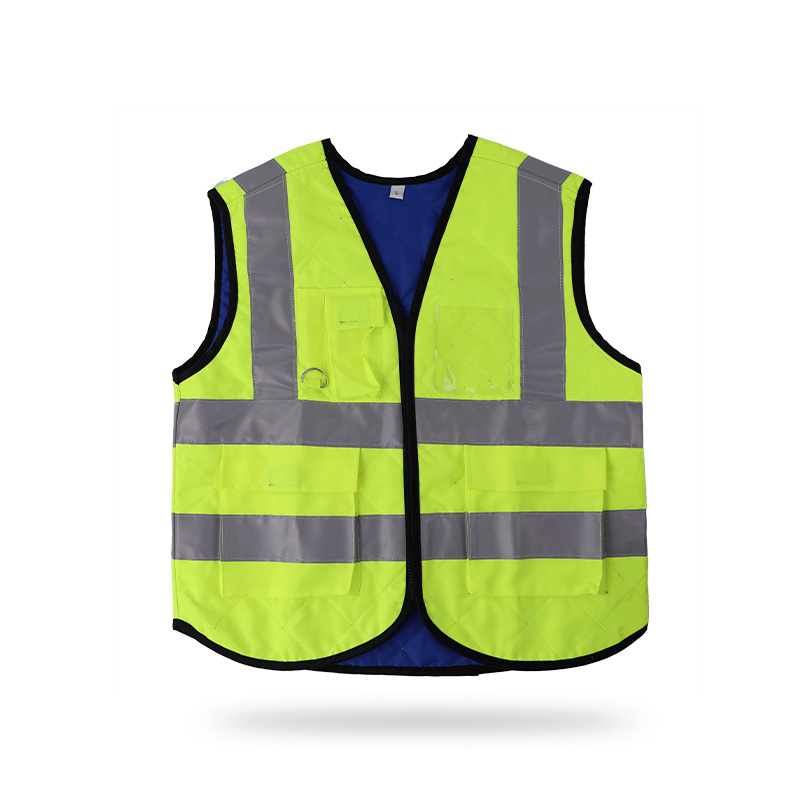 Outdoor Reflective Cooling Vest for Warm WeatherA reusable reflective cooling vest with breathable mesh and 5–10 hours of cooling per soak, useful for warm-weather riding and outdoor work where visibility matters.View Product →
Materials, Fit, and Everyday Comfort
The best vest is the one you forget you are wearing until someone needs to see you. Look for soft binding around the armholes and neck, because rough edges become noticeable on longer rides. A front zip should run smoothly without catching, and side adjusters should be easy to reach with one hand. Pockets are helpful, but they should not sag when loaded with a phone, keys, or snacks.
Fit is personal. A commuter may prefer a looser cut that fits over a backpack, while a road rider may want a trimmer shape that stays quiet in the wind. If the vest is intended for a team or workplace, size ranges and unisex or women-specific patterns matter. It is also worth checking how the vest behaves when wet. Some fabrics become heavier or cling to the body, which can affect both comfort and reflectivity.
A Practical Comparison of Common Vest Setups
| Vest type | Best for | Key feature | What to check |
|---|---|---|---|
| Lightweight mesh high-vis vest | Warm-weather commuting | Large reflective panels and breathable mesh | Fit over a jersey, airflow, and side visibility |
| Reflective cooling vest | Hot commutes, event staff, bike patrol | Reflective trim plus cooling inserts or panels | Weight, cooling duration, and comfort when active |
| Packable reflective gilet | Changeable weather and longer rides | Folds small and adds low-light visibility | Packed size, wet-weather performance, and durability |
| Custom branded vest | Clubs, events, and rider teams | Logo placement and color coordination | Minimum order, sample approval, and lead time |
Buying Checklist for Cyclists and Buyers
Before choosing a reflective cycling vest, list where and when you ride. A winter commuter has different needs from a summer event volunteer. Use this checklist to narrow the options:
- Check reflective placement on the front, back, and sides, not just the back panel.
- Confirm the vest fits over the clothing you normally wear on the bike.
- Look for breathable fabric, mesh panels, or cooling features for hot weather.
- Test zips, side adjusters, and pockets while wearing cycling gloves if possible.
- Ask for care instructions, especially if the vest will be washed often.
- For group orders, confirm sizes, color options, and whether logo printing is available.
If you are buying for a club, shop, or workplace, request a sample before committing to a large order. A sample lets you check the reflective brightness, stitching, fit, and overall feel in real riding conditions. It also helps avoid surprises with sizing and color matching.
Care and Longevity
Reflective vests are not difficult to care for, but rough washing can shorten their useful life. Close zips before washing, turn the vest inside out if the care label allows, and avoid fabric softener on reflective tape. Air-dry whenever possible. If the vest has cooling inserts, remove them first and follow the separate care instructions for those components.
Inspect the vest regularly for scratches, peeling tape, loose stitching, or worn edges. Reflective material can lose brightness over time, especially if it is rubbed against bags or washed at high heat. Keep a spare vest for commuting if your ride is part of a daily routine. A simple rotation gives each vest time to dry and makes worn areas easier to spot.
Customization and Supply Considerations
For brands, event organizers, and safety buyers, customization often turns a standard vest into a better fit for the job. Color choices, logo placement, pocket layouts, reflective strip positioning, and cooling options can all be discussed during product development. Our customization process is built around sample review and practical production details, so buyers can check the vest before moving to volume.
As a manufacturer working with overseas buyers, we pay close attention to fabric weight, stitching quality, and reflective tape performance. The goal is straightforward: a vest that looks right, wears well, and holds up to the way riders and workers actually use it. Whether you need a small trial run or a repeat production order, clear specifications and sample approval make the process much smoother.
A Better Ride Starts with the Right Vest
A reflective cycling vest should earn its place in your kit. It should help you stand out without making you overheat, restrict your movement, or feel awkward when you stop for coffee. Start with visibility and fit, then consider cooling comfort if you ride in warm conditions. With a little care, a well-chosen vest can become one of the simplest and most reliable pieces of safety gear you own.

 3rd Floor, East Gate, No. 2599 Park Road, Sheng Ze Town, Wu Jiang District, Suzhou City, Jiangsu Province
 +86- 0512-63519080
 +86-13584404311
 FQsales1@163.com