
 English
 简体中文

Men's sports vests look simple from a distance: sleeveless, easy to pack, often lighter than a jacket. But the right vest can change how you feel during a run, a gym session, or a long shift outdoors. The wrong one can rub under the arms, trap heat, or ride up every time you move.
We have worked with brands, gyms, and outdoor teams on functional apparel, and the same lesson comes up: start with the job the vest has to do. This guide covers fit, fabric, cooling features, care, and bulk buying.
Content
What Counts as a Men's Sports Vest?
Sports vest is a broad term. It can mean a lightweight training layer, a compression running vest, a cooling vest for hot weather, or a high-visibility vest worn over a shirt. Construction varies widely, so separate the main types before comparing prices.
- Training vests: relaxed or athletic cuts in quick-dry knit for gym work and warm-weather runs.
- Compression vests: close-fitting stretch garments that stay put during high-output activity.
- Cooling vests: functional layers using evaporative fabric, ice packs, phase-change materials, or airflow.
- Reflective sports vests: breathable vests with reflective details for low-light activity.
If you are unsure where to begin, this guide to choosing men's sports vests overlaps usefully with the points below. Not every sleeveless top is the same product.
Start With the Activity, Not the Label
Before you look at color, picture the activity. A trail-running vest has different demands from a cooling vest for a hot factory floor. A compression layer for cycling must stay close without pinching; a cooling vest for outdoor work needs room for inserts and everyday durability. The table below gives a practical starting point.
| Vest type | Best suited to | Features to look for | Fit note |
|---|---|---|---|
| Lightweight training vest | Gym sessions, studio classes, warm-weather runs | Quick-dry knit, mesh panels, flat seams | Close but not tight across the chest; armholes should not gape |
| Compression sports vest | Running, cycling, high-output training | Four-way stretch, smooth edges, chafe-free seams | Snug with no rolling hem; test shoulder movement |
| Cooling sports vest | Hot climates, outdoor training, event staff | Evaporative fabric, airflow panels, ice-pack pockets | Allow room for inserts without excess bulk |
| Reflective sports vest | Early-morning or roadside activity | Breathable mesh, reflective strips, secure closure | Fits over a base layer without flapping |
If a vest will serve more than one activity, solve the harder problem first. In heat, manage heat. In low light, put visibility before a slim silhouette.
Fit and Freedom of Movement
Fit is where many vests succeed or fail. The vest should follow the body without restricting the shoulder blades. Raise your arms, reach forward, and twist your torso. If the armholes dig in or the hem climbs, the cut is wrong, even if the size label seems right.
- Check the shoulder seam: it should sit near the edge of the shoulder, not slide down the arm.
- Look at armhole depth: enough freedom for swimming or throwing motions, without exposing the ribs.
- Test the hem: a slightly longer back helps when cycling or bending.
- Try it over the moisture-wicking tee you plan to wear as a base layer.
For team orders, ask for a size set, not a single sample. A good supplier will help you compare measurements, not just size labels.
Fabric, Moisture, and Heat Management
Most sports vests for men use synthetic knits because they dry quickly and move sweat away from the skin. Polyester and nylon blends are common, often with spandex for stretch. Mesh panels at the back and under the arms improve airflow. Cotton feels soft, but it holds moisture and dries slowly.
Pay attention to how the fabric feels when damp. A good quick-dry vest should not cling heavily or become translucent after sweat. Flat seams and bonded edges reduce chafing around the neck and armholes.
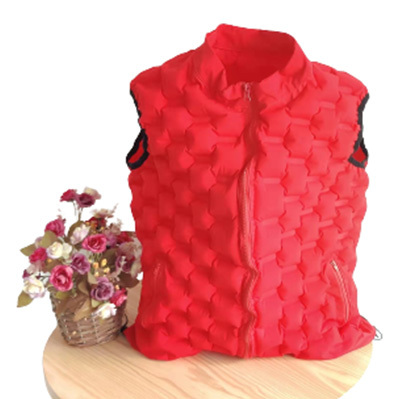
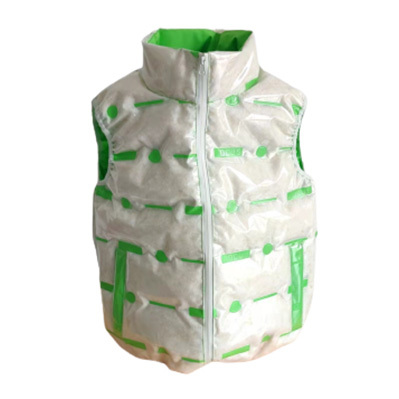
 Evaporative Cooling Sport Vest FQ-2008Reusable pullover vest soaks in water for evaporative cooling, with breathable mesh panels and 5–10 hours of relief per soak.View Product →
For hot-weather training, cooling features deserve a closer look. Evaporative fabrics rely on moisture and airflow. Ice-pack vests offer stronger, direct cooling but add weight. Fan-assisted designs move air around the torso. The right choice depends on humidity, activity level, and wear time.
Cooling Options for Hot Conditions
In dry heat, evaporative cooling is very effective. In high humidity, airflow and ice packs often feel more reliable. For sports use, avoid overloading the vest with inserts; extra shoulder weight can change your stride.
High Visibility and Team Use
Some men's sports vests double as visibility layers. Runners before sunrise, cyclists on busy roads, and event staff near traffic all benefit from reflective strips and bright colors. The vest should still breathe, because a hot visibility layer will soon come off.
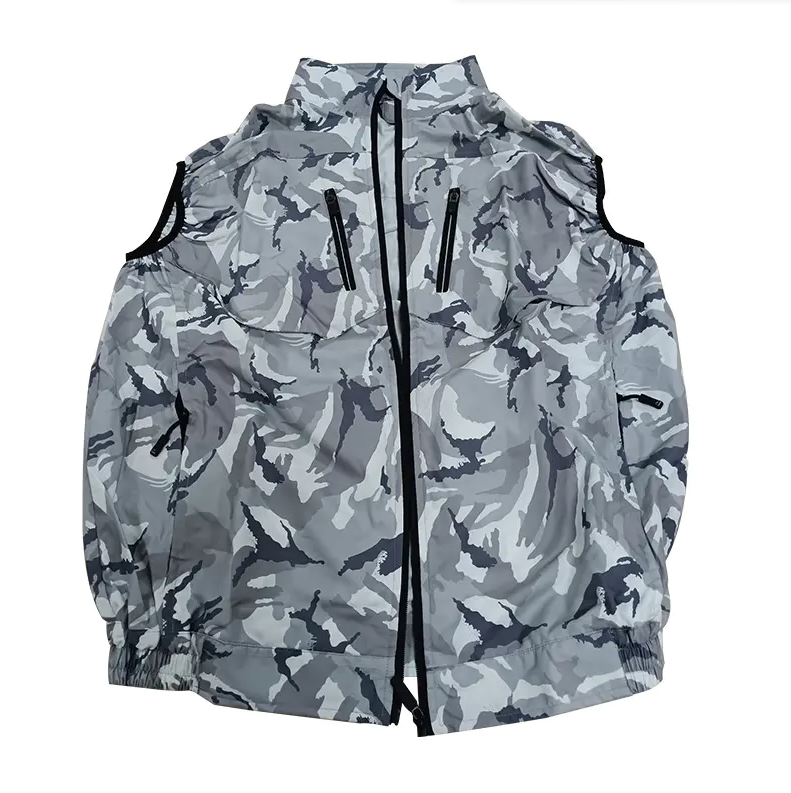
 Reflective Orange Cooling Safety Vest FQ-2015Reusable cooling safety vest with reflective front/back strips and hook-and-loop closure, offering breathable mesh, 5–10 hours relief per soak, and hot-weather traffic visibility.View Product →
Look for reflective tape that is securely stitched or bonded, not just printed on. A full zip is easy to put on; a pullover has fewer failure points. For group orders, check color consistency under different lighting, and ask for a production sample.
Teams and retailers often need more than a standard size run. If you are planning a club kit, staff uniform, or retail collection, our customization service can help match fabrics, colors, trims, and branding. Small changes to pocket placement or hem length can make a big difference.
Details That Reveal Quality
Two vests can look similar on a hanger and behave differently after a month. Turn the vest inside out and inspect the seams, neckline, and armhole finish. Look for even stitching, clean edge binding, and no loose threads.
- Stretch the armhole gently; it should recover without waving.
- Check fiber content and care label; vague labels are a warning for bulk buyers.
- Open and close the zip several times; it should run smoothly and stay locked.
- Check reflective trim and logos for alignment and secure attachment.
- Ask how the fabric performs after repeated washing.
For a personal purchase, these checks take a minute. For a team or store order, put them in the sample approval process. A minor defect becomes a costly return problem across a full run.
Buying for a Team or Store
Bulk buying is not just price per piece. Start with size range, color options, and minimum order quantity. Ask whether the supplier can hold a consistent fabric lot and whether replacement stock will match the original order.
Delivery planning matters too. Sports seasons and summer events do not wait for late production. A realistic supplier will share a production schedule, sample timeline, and shipping method before the order is confirmed.
Ask what happens after delivery. Good suppliers keep records of fabric, trims, and measurements so a repeat order feels familiar, especially when you add colors or update a style.
Care and Longevity
Wash sports vests in cool or warm water according to the care label. Avoid fabric softener on moisture-wicking styles, because it can coat the fibers and reduce breathability. Close zips, turn the vest inside out, and air dry when possible.
- Wash after heavy sessions to remove salts and oils.
- Do not iron directly over reflective tape or printed logos.
- Check ice-pack pockets and closures before use.
- Store flat or hang loosely; avoid sharp folds in bonded edges.
A well-made vest should keep its shape through a full season. If seams pull or the fabric smells sour after washing, it has probably reached the end of its useful life.
Choosing men's sports vests comes down to matching the vest to the work it will do. Decide on the activity, check the fit through the shoulders and armholes, and look closely at fabric, seams, and cooling or visibility features. Those basics will save you from a disappointing purchase.
If you are comparing options for a club, retail line, or outdoor crew, we are happy to talk through fabrics, sizes, and customization. The best starting point is a short conversation about where and how the vest will be worn.

 3rd Floor, East Gate, No. 2599 Park Road, Sheng Ze Town, Wu Jiang District, Suzhou City, Jiangsu Province
 +86- 0512-63519080
 +86-13584404311
 FQsales1@163.com