
 English
 简体中文
简体中文
Spend a long shift under a hard hat in July, or run ten kilometres on a humid morning, and you will quickly understand why the head is the first place heat becomes unbearable. A head cooling hat is a small piece of equipment with a very specific job: to draw heat away from the scalp, forehead and neck before it drags your concentration down with it.
We have spent years making cooling and cold-weather textiles at our mill in Shengze, and the questions buyers ask us have barely changed. Does it really work? How long does it stay cool? Will it fit under a helmet? This guide answers those questions honestly, including the situations where a cooling hat helps less than people expect.
Content
What a Head Cooling Hat Actually Does
The scalp, forehead and neck sit over a dense network of blood vessels close to the skin surface. When you cool that area, the blood travelling back towards your core loses some of its heat, which is why a damp cloth on the neck can feel far more refreshing than its size suggests. A head cooling hat simply applies that principle in a form you can wear hands free, for hours at a time.
It is worth being clear about what it is not. A cooling hat is a comfort and productivity tool, not a medical device, and it never replaces shade, drinking water, sensible scheduling and proper rest breaks. What it does is make the hours between those breaks more bearable and help people keep a clear head when the temperature climbs.
It also helps to know which product you are actually looking for. In our catalogue these items live in three related families: a full cooling hat with a brim, a cooling headband that sits above the brow, and helmet pads or neck shades designed to work with a hard hat. They solve the same problem from different directions, and the right choice depends mostly on whether you are wearing a helmet.
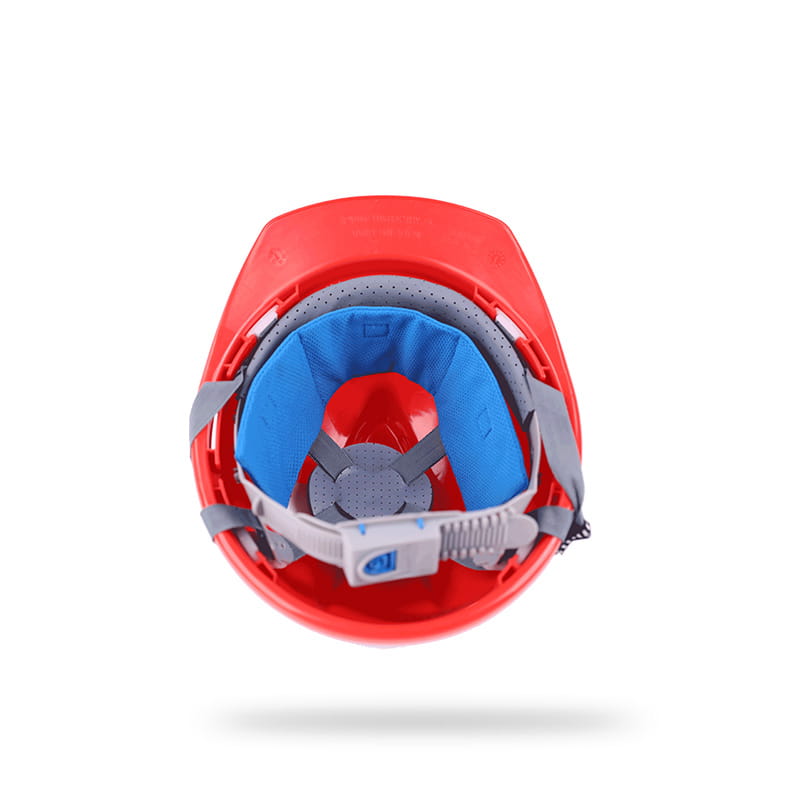 Evaporative Cooler Hat Pad for Hard HatsWashable polyester cool mesh pad with rear elastic, giving 2–3 hours of evaporative cooling per soaking for helmet wearers in hot outdoor work.View Product →
Four Cooling Mechanisms Compared
Not every head cooling hat works the same way, and the mechanism decides when it will feel effective. The table below summarises the four approaches we manufacture most often.
| Type | How it cools | Typical duration | Works best in |
|---|---|---|---|
| Evaporative fabric hat | Damp fabric releases heat as water evaporates | 1 to 3 hours, then re-soak | Hot, dry or breezy conditions |
| PCM insert hat | Phase change packs hold a steady temperature | 1 to 2 hours per charge | Humid climates and controlled cooling |
| Ice or gel pack hat | Frozen packs absorb heat quickly | 30 to 90 minutes | Short, intense exposure and recovery |
| Ventilated mesh hat | Airflow and shade reduce heat build-up | Continuous while you move | Light activity under strong sun |
One honest caveat: evaporative cooling slows down sharply when the air is already saturated with moisture. If you work in a humid climate, a phase change or gel option will usually serve you better, even though it weighs a little more.
Who Gets the Most Out of a Cooling Hat
Outdoor and industrial workers
Construction crews, road maintenance teams, warehouse staff, farmers and utility workers rarely get to choose their working hours. When a hard hat is mandatory, the useful options are a ventilated liner, a cooling pad that attaches inside the shell, or a brim and neck shade combination. The goal is not to turn a helmet into an air conditioner; it is to remove the trapped heat that builds up between the shell and the scalp.
If you want to go deeper on that particular setup, we wrote a separate piece on the evaporative cooler hat pad and how it fits into a helmet.
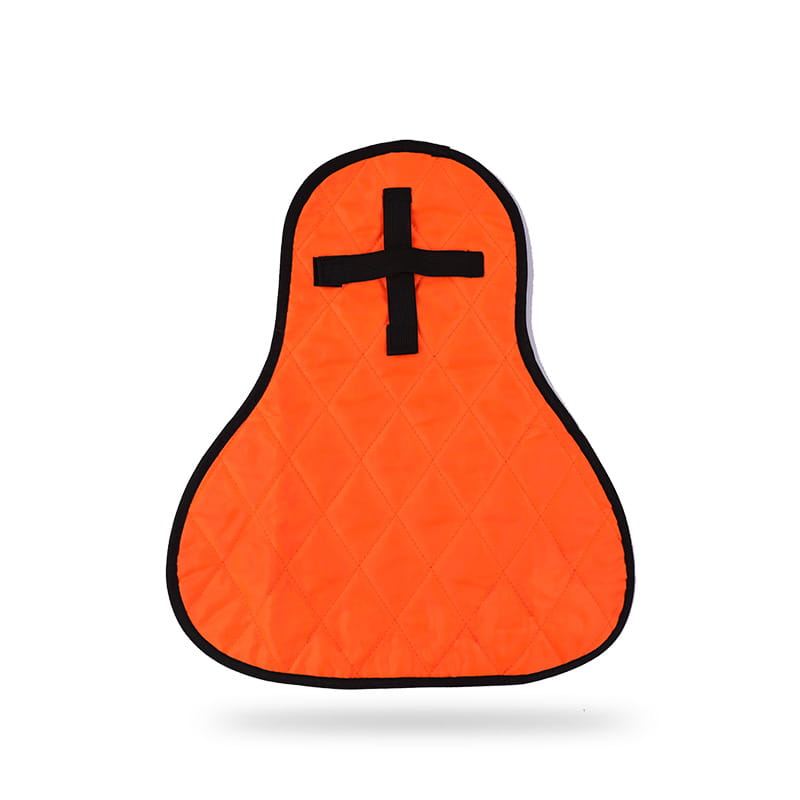 PVA Evaporative Cooling Neck Pad for Safety HelmetsA soak-and-wear PVA neck pad that attaches to safety helmets, offering evaporative cooling, neck sun protection, sweat absorption and reusable quick-drying comfort for outdoor workers.View Product →
Runners, cyclists and sportspeople
For sport, weight and airflow matter more than raw cooling power. A light evaporative cap or headband that holds water without dripping is usually the best answer, especially for sessions longer than an hour. Cyclists often prefer a thin skull cap under the helmet, while runners tend to favour a wide-brim hat or a headband that keeps sweat out of the eyes.
Everyday, travel and outdoor leisure
Not everyone wearing a cooling hat is at work. Theme parks, festivals, gardening, fishing and long city walks produce the same slow bake. Here the priorities shift towards appearance, packability and how quickly the item dries, so it can go back into a bag without soaking everything else.
What to Look For Before You Buy
- Cooling method. Match it to your climate: evaporation for dry heat, phase change or gel for humid air.
- Duration and reactivation. Check how long one charge lasts and how easily it can be re-soaked or refrozen on site.
- Weight when wet. A hat that holds a litre of water feels fine for ten minutes and like a burden after two hours.
- Fit and adjustment. Drawcords, elastic bands and hook-and-loop straps matter more than they sound, because a loose hat shifts away from the spot that needs cooling.
- Helmet compatibility. Never modify a helmet suspension to make a pad fit. Choose a liner designed for the shell you actually wear.
- Sun protection and coverage. A wide brim and a neck flap cover the areas most often missed by sunscreen.
- Fabric and finish. Breathable mesh panels, soft binding and flat seams reduce chafing across a long shift.
- Cleaning instructions. If it cannot be washed, it will not stay pleasant to wear for long.
Wearing, Cleaning and Storing It Well
A cooling hat only performs as well as it is maintained. These are the steps we pass on to buyers most often.
- Soak or chill the hat as instructed, then wring it lightly so it is damp rather than dripping.
- Position it so the cooling panel rests against the forehead or crown, not pushed up above the hairline.
- Under a helmet, fit the liner first and the helmet second, then check that nothing presses uncomfortably on the head.
- Re-soak or swap inserts as soon as the fabric feels warm and dry, usually every one to three hours.
- Hand wash in cool water with a mild soap and rinse thoroughly. Skip bleach, fabric softener and hot water.
- Air dry in the shade, reshape while damp, and store only once completely dry to prevent odour and mildew.
With reasonable care, a well-made evaporative hat holds its performance for a full season or more. Replace gel or phase change packs as soon as they leak or stop holding their shape, and retire any hat whose fabric has stiffened, torn or lost its stretch.
Buying Head Cooling Hats in Bulk
If you sell cooling products rather than simply wear them, the questions change. Batch-to-batch consistency, reliable reorder times and clear documentation tend to matter more than a striking product photo. Our own production sits in Shengze, a textile town in Jiangsu, where we run an integrated operation covering fabric sourcing, cutting, sewing, quality inspection and export. You can read more about the setup on our factory page.
For head cooling hats specifically, the details that decide whether a reorder goes smoothly include stitch density on the brim, the elasticity of the headband, colour fastness after repeated soaking, and whether the inserts are replaceable. We test each batch against the specification the customer provides, a habit that saves far more trouble than it costs.
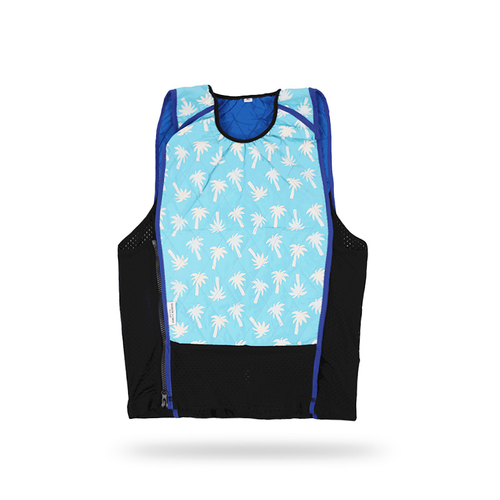
Customisation is available as well: logo printing, colour matching to your existing range, and packaging that suits your marketplace requirements. If you are building a summer line around head, neck and body cooling, it usually makes sense to plan the range as a family rather than as isolated items, so materials and care instructions stay consistent across the collection.
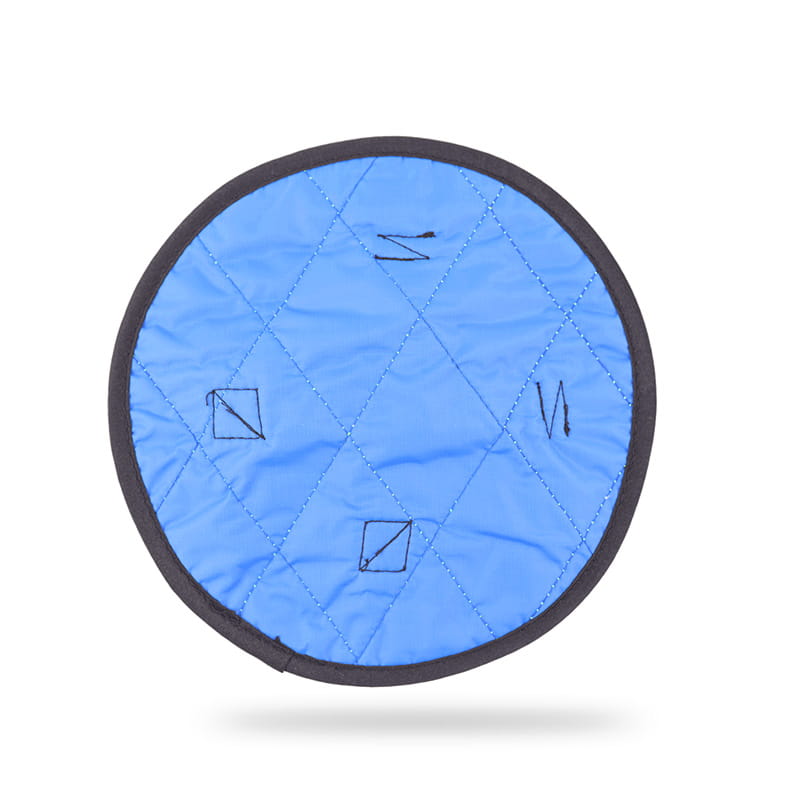 Hard Hat Cooling Pads with Hook and Loop AttachmentReusable hard hat pads attach to helmet liners and provide 5–10 hours of evaporative cooling per soaking, with polyester mesh and a water-repellent nylon liner.View Product →
A head cooling hat will not change the weather, and it will not rescue a working day that has no water, no shade and no breaks. What it can do is take the edge off the worst hours, keep sweat out of your eyes and help you finish a shift or a run with your attention still intact. Choose the mechanism that matches your climate, get the fit right, look after the fabric, and the difference is easy to feel.

 3rd Floor, East Gate, No. 2599 Park Road, Sheng Ze Town, Wu Jiang District, Suzhou City, Jiangsu Province
  +86- 0512-63519080
 +86-13584404311
  FQsales1@163.com