
 English
 简体中文
简体中文
Heat is one of the most underestimated hazards on a job site. When the body cannot shed excess heat fast enough, concentration slips, mistakes multiply, and the risk of heat exhaustion climbs. A cooling safety vest is a practical piece of personal protective equipment designed to interrupt that chain. It lowers skin temperature, helps keep core temperature in a safer range, and allows people to keep working through the hottest hours of the day.
Working from Shengze, a textile town in Jiangsu, we have spent years developing cooling wearables for construction crews, traffic officers, warehouse teams, and event staff. This guide shares what we have learned about how these vests work, how to match one to a specific job, and what bulk buyers should confirm before placing an order.
Content
What Is a Cooling Safety Vest?
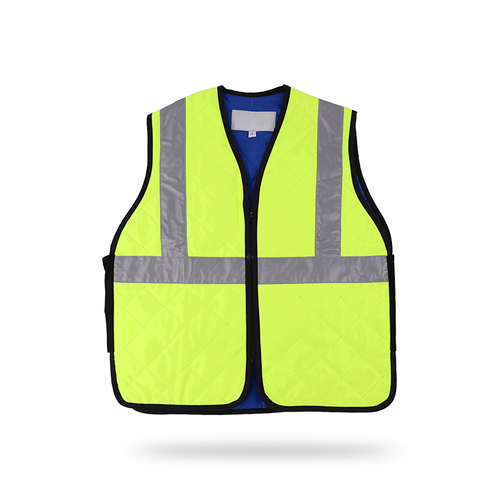
A cooling safety vest is a wearable garment that combines a cooling system with the visibility and durability features expected of workwear. Unlike a plain cooling shirt, it is cut as a vest so it can be worn over a T-shirt and under a harness, and many models carry reflective tape so the wearer stays visible in traffic or on dim sites.
The "safety" part is not decoration. On roads, in ports, and around moving machinery, a worker also has to be seen. That is why reflective cooling vests pair high-visibility tape with mesh or moisture-wicking fabric: the two functions support each other rather than compete for space on the garment.
Typical users include:
- Construction, road, and municipal maintenance crews
- Traffic police, security staff, and event marshals
- Warehouse, logistics, and foundry workers
- Outdoor athletes, hikers, and gardeners
How the Different Cooling Systems Work
Cooling garments are not built the same way. The mechanism matters because it decides how long relief lasts, how heavy the vest feels, and how much maintenance it demands in daily use.
Evaporative cooling
Fabric panels are soaked in water and worn against the body. As the water evaporates, it draws heat away from the skin. The effect is strong in hot, dry air and weaker in humid conditions, where evaporation slows down. The upside is low weight and simple upkeep: re-wet the panels and the vest is ready again.
Phase change materials and ice packs
Sealed packs hold a phase change material or water-based gel that freezes at a set temperature. Because a PCM pack stays at a steady temperature while it melts, it delivers consistent cooling for hours without the damp feeling of an evaporative vest. Packs are swapped out and refrozen, so crews usually keep a spare set in a cooler.
Fan-assisted and air-circulation designs
Small battery-powered fans push air through channels in the garment, speeding up sweat evaporation and creating airflow across the torso. These designs perform well in humid or still conditions and can run for a full shift on a power bank. They need charging and cost more, but they are the most comfortable option for long, stationary work in sticky weather.
| Cooling method | Best suited climate | Typical duration | Main upkeep |
|---|---|---|---|
| Evaporative | Hot and dry | 1 to 3 hours per soak | Re-wet panels |
| PCM and ice packs | Any climate | 2 to 4 hours per set | Refreeze packs |
| Fan-assisted | Humid or still air | 4 to 8 hours per charge | Charge battery |
Features Worth Comparing Side by Side
Once the cooling mechanism is settled, the differences between two vests come down to details. Buyers who compare these points before ordering tend to avoid returns later.
- Cooling duration. How many hours of relief does one charge, soak, or pack set provide, and does that cover a full shift?
- Loaded weight. A gel-packed vest can feel heavy after two hours, so check the total weight with packs installed.
- Fabric and breathability. Mesh shells release heat faster, while solid shells resist abrasion on rough sites.
- Reflective tape. Tape grade and placement decide how visible a wearer is from the side and at distance.
- Fit and adjustment. Side straps and shoulder adjustment keep packs against the back instead of sliding down.
- Washing and service life. Removable packs and reinforced stitching make a vest easier to keep in rotation.
For general outdoor work in warm, dry conditions, a ventilated vest with removable cooling packs covers the widest range of tasks and is the easiest starting point for a first order.
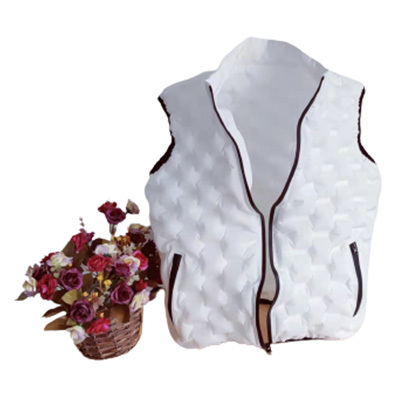
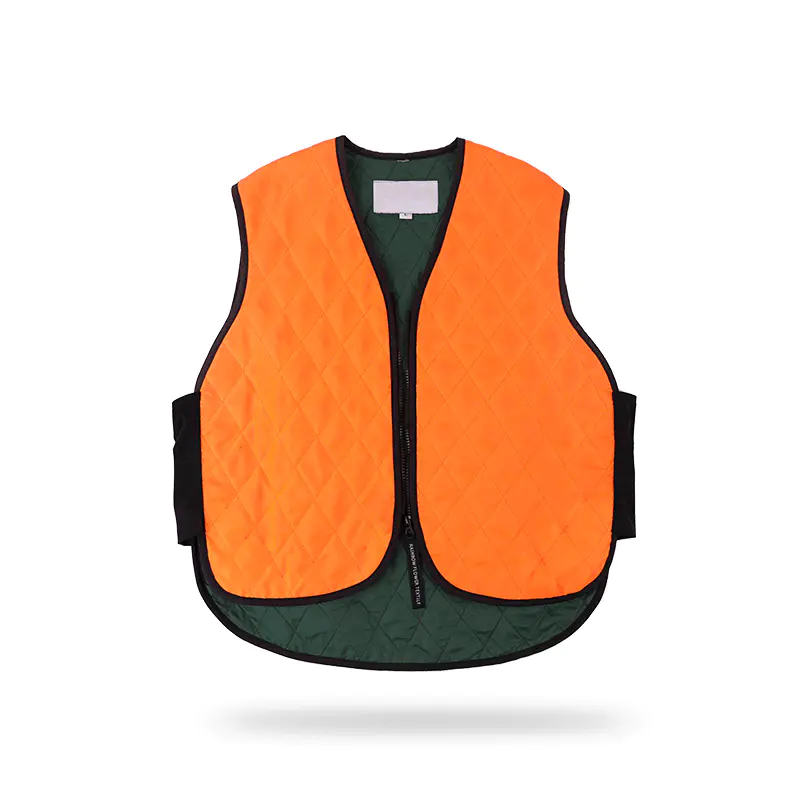 Cooling Vest for Outdoor Work(FQ-2003)Your contact detailsView Product →
Matching the Vest to the Job
One vest will not suit a traffic officer and a warehouse picker. The working environment, the clothing underneath, and the length of the shift all shape the right choice.
Roads, construction, and municipal work
These crews need visibility first and cooling second, because they work beside live traffic. A reflective cooling vest with taped shoulders and a mesh back keeps them cool without hiding the warning stripes.
Police, security, and event staff
Long hours of standing in the sun call for steady, predictable cooling. PCM packs work well here because they do not soak the uniform underneath and can be swapped during a break.
Warehouses, kitchens, and other indoor heat
Indoor heat often comes with poor airflow rather than direct sun. Fan-assisted vests move air across the torso and help in spaces where evaporative cooling struggles because of humidity.
Sport and personal use
Runners, cyclists, and gardeners usually prefer a lighter construction, a slimmer cut, and quick-drying fabric that can be rinsed after use.
When visibility and cooling have to be delivered in a single layer, a reflective option saves the wearer from stacking two garments in the heat.
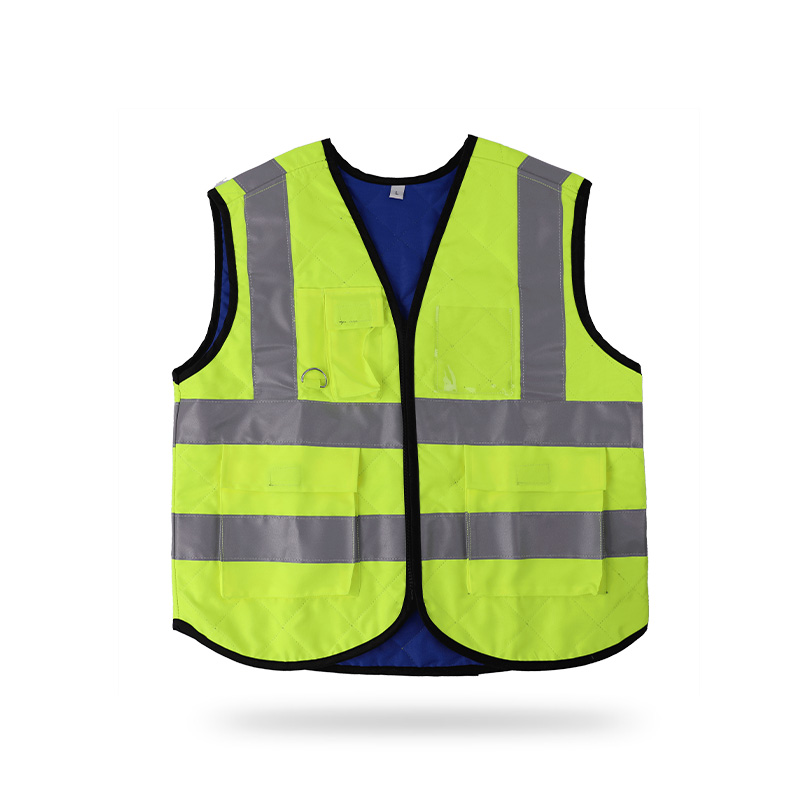 Outdoor Reflective Cooling Vest(FQ-2012)Traffic Safety Vest Hook and loop front closure Polyester exterior with fabric interior, and water repellent nylon liner A plurality of reflective strips before and af...View Product →
Care, Refill, and Storage Routine
A cooling vest performs best when it is treated as a system rather than a single item. Keep spare packs frozen or chilled so a swap takes seconds instead of ending the cooling effect for the day. Rinse evaporative panels after each shift to remove salts and sweat, which otherwise stiffen the fabric and reduce wicking. Fasten all hook-and-loop closures before washing so they do not snag mesh panels. Store vests dry and folded, with packs removed and batteries detached.
For teams in sealed uniforms, or where a fixed cooling temperature is needed regardless of humidity, a PCM ice bag vest is often the most predictable choice across a long shift.
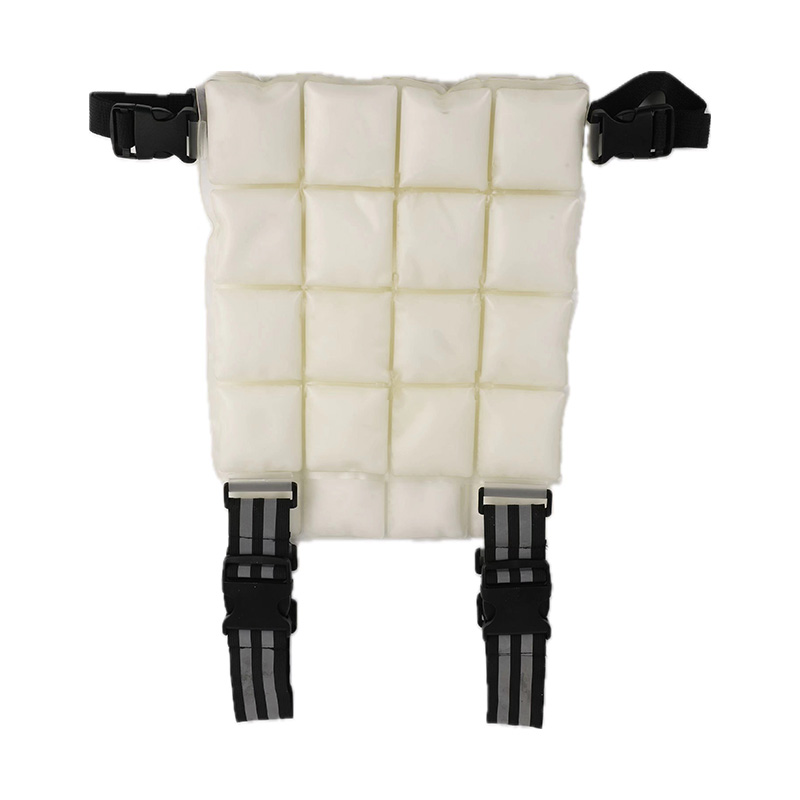 PCM Ice Bag Cooling Vest(FQ-B01)Product IntroductionView Product →
What Bulk Buyers Should Confirm Before Ordering
For distributors, safety suppliers, and e-commerce sellers, the questions that decide whether a program succeeds are operational rather than cosmetic.
- Can the supplier hold consistent fabric, tape, and pack specifications across repeat orders?
- Are the cooling packs replaceable, and can they be ordered separately?
- What is the minimum order quantity per color and size, and how long is production?
- Which port handles shipment, and what is the standard lead time?
- Can logos, sizing, and packaging be adapted for a specific market?
These details separate a one-off purchase from a dependable supply relationship. It helps to see how a partner actually builds the goods, which is why we keep our production facility open to the buyers and inspection teams who visit us. Custom sizing, colors, logos, and packaging run through the same customization process, so a private-label program can start with a sample and scale into repeat production without changing suppliers.
Frequently Asked Questions
How long does a cooling safety vest stay cool?
Evaporative models usually deliver one to three hours per soak depending on humidity, PCM packs two to four hours per set, and fan-assisted designs four to eight hours on a charged battery. Spare packs and a second soak extend coverage across a full shift.
Can it be worn over a uniform or under a harness?
Yes. Vest cuts are made to layer over a T-shirt or uniform and under most fall-arrest harnesses, provided the pack placement does not interfere with the harness attachment points.
Are cooling vests machine washable?
Most outer shells can be machine washed once packs, fans, and batteries are removed. Check the care label, close every fastener, and air dry the garment to protect reflective tape and mesh.
Heat stress costs far more than a shipment of vests: lost hours, lower output, and incidents no schedule can absorb. Choosing a cooling safety vest with the right cooling mechanism, the right visibility level, and a supply partner who can repeat the specification order after order is the practical way to keep a workforce safe through the hot season.
If you are planning a program for a crew, a distribution line, or an online store, tell us the climate, the task, and the quantity. We will match the cooling system to the job and send samples so your team can test them in real conditions before you commit.

 3rd Floor, East Gate, No. 2599 Park Road, Sheng Ze Town, Wu Jiang District, Suzhou City, Jiangsu Province
  +86- 0512-63519080
 +86-13584404311
  FQsales1@163.com