
 English
 简体中文
简体中文
A hard hat pad might be one of the smallest components in a worker's personal protective equipment setup, yet it plays a critical role in both comfort and safety on the job site. Whether you spend eight hours a day on a construction site, in a manufacturing plant, or working in utilities, the interior of your hard hat can make the difference between a focused, productive shift and one plagued by headaches, neck strain, and excessive sweating. In this comprehensive guide, we cover everything you need to know about hard hat suspension pads, liner options, sweatband replacements, and how to choose the right padding system for your specific needs.
Content
- 1 What Is a Hard Hat Pad and Why Does It Matter?
- 2 Types of Hard Hat Pads: A Detailed Breakdown
- 3 Key Materials Used in Hard Hat Padding
- 4 How to Choose the Right Hard Hat Pad for Your Work Environment
- 5 Compatibility: Matching Pads to Your Hard Hat Brand and Model
- 6 How to Install and Replace a Hard Hat Pad
- 7 Maintenance and Replacement Schedule for Hard Hat Pads
- 8 Top Brands and Products to Consider
- 9 Safety and Compliance Considerations for Hard Hat Pads
- 10 Frequently Asked Questions About Hard Hat Pads
What Is a Hard Hat Pad and Why Does It Matter?
A hard hat pad refers to any cushioning, liner, or absorbent insert placed inside a hard hat to improve the fit, comfort, and moisture management of the helmet. These pads sit between the suspension system — the internal webbing that holds the shell away from your head — and your scalp. While the hard hat shell and suspension system are responsible for absorbing and redirecting impact energy, the pad addresses the everyday wearability factors that determine whether workers keep their helmets on consistently throughout a shift.
The importance of interior padding extends beyond comfort. When a hard hat fits poorly or causes discomfort, workers are more likely to remove it during short breaks or in areas they perceive as lower-risk — significantly increasing injury exposure. Well-fitting, padded hard hats that stay comfortable through a full shift contribute directly to sustained PPE compliance. Additionally, quality hard hat liner pads help manage heat and moisture, reducing the risk of heat stress in hot environments.
Types of Hard Hat Pads: A Detailed Breakdown
The market offers several distinct categories of hard hat interior padding, each engineered for different functions and use cases. Understanding the differences helps you build the right interior comfort system for your hard hat.
Hard Hat Sweatbands
The hard hat sweatband is the most commonly replaced pad component. It wraps around the interior circumference of the hard hat at forehead level, absorbing perspiration before it drips into your eyes or onto your face. Sweatbands are available in terry cloth, polyester, foam-backed fabric, and moisture-wicking synthetic materials. Terry cloth bands offer excellent absorption but retain moisture longer; synthetic moisture-wicking versions absorb quickly and dry faster, making them better suited for high-heat environments. Most sweatbands attach via clips or hook-and-loop fasteners and are designed to be laundered or replaced regularly.
Comfort Crown Pads
Hard hat crown pads — also called top pads or cap pads — are cushions that attach to the top of the suspension system, directly beneath the crown of the shell. They reduce the transmission of vibration and minor impacts from the shell to the head, and they add a layer of cushioning that prevents the suspension straps from digging into the scalp. Crown pads are particularly beneficial for workers operating pneumatic tools, jackhammers, or other vibrating equipment where repetitive micro-shocks are a daily reality.
Winter Hard Hat Liners
Hard hat winter liners — sometimes called skull caps or thermal liners — are full or partial interior liners designed for cold-weather work. They are typically made from fleece, thermal knit, or FR (flame-resistant) materials and cover the head, ears, and sometimes the neck. These liners fit inside the hard hat without compromising the suspension fit adjustment, maintaining ANSI/ISEA compliance while adding significant warmth. FR-rated versions are essential for workers in welding, oil and gas, or electrical environments where flash fire risk is present.
Foam Comfort Pads
Foam hard hat cushion pads are self-adhesive or clip-on inserts made from open-cell or closed-cell foam. They are placed at specific contact points — the crown and the sides — to eliminate pressure points caused by the suspension webbing. These pads are especially useful for workers with sensitive scalps or those who experience headaches from hard hat pressure. Closed-cell foam options also provide a small degree of additional thermal insulation.
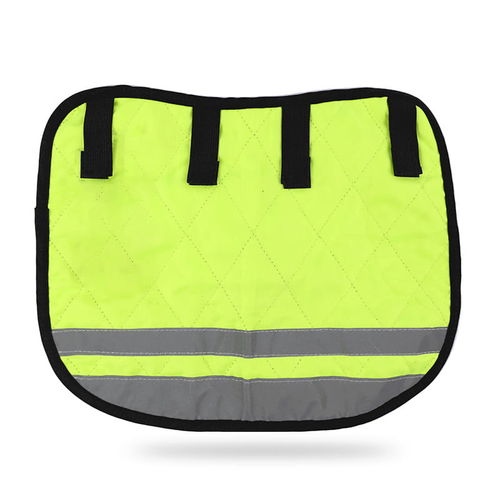
Cooling Hard Hat Pads
Cooling inserts and evaporative hard hat pads are designed specifically for hot weather and high-exertion environments. These products use materials that absorb water and release it slowly through evaporation, providing a cooling effect against the scalp. Some versions incorporate phase-change materials (PCM) that absorb heat as they transition between solid and liquid states, maintaining a consistent cool temperature for several hours. For outdoor workers in summer or those in hot industrial environments, cooling pads represent a meaningful safety and productivity tool.
Key Materials Used in Hard Hat Padding
The performance of a hard hat comfort pad is largely determined by its material composition. Here's a comparison of the most common materials used:
| Material | Best For | Key Advantage | Limitation |
| Terry Cloth | Sweatbands | High absorbency | Slow drying, retains odor |
| Moisture-Wicking Polyester | Sweatbands, liners | Fast drying, stays lighter | Less absorbent than terry |
| Open-Cell Foam | Crown pads, side pads | Soft, conforms to head shape | Compresses over time |
| Closed-Cell Foam | Thermal/insulating pads | Durable, moisture-resistant | Less cushioning than open-cell |
| Fleece | Winter liners | Excellent warmth-to-weight ratio | Not FR-rated unless specified |
| Phase-Change Material (PCM) | Cooling pads | Sustained cooling effect | Higher cost, requires recharging |
How to Choose the Right Hard Hat Pad for Your Work Environment
Selecting the correct hard hat interior pad requires matching the product to the specific demands of your work environment. There is no single universal solution — the right choice depends on a combination of climate, hazard type, and personal fit preferences.
Hot and Humid Environments
For workers in outdoor construction, roofing, road work, or hot industrial settings, moisture management is the top priority. Look for moisture-wicking sweatbands combined with a cooling crown pad or evaporative insert. Avoid thick foam padding that traps heat. If possible, choose a hard hat with venting slots and pair it with a low-profile, breathable liner system that allows airflow. Replace sweatbands frequently — at least weekly in heavy-sweat conditions — to prevent bacterial buildup and odor.
Cold Weather Work Sites
In cold environments, a full hard hat winter liner is essential. Choose a liner that covers the ears and base of the skull without adding so much bulk that it throws off the suspension fit. Always verify that the liner does not push the hard hat up off the head, which would compromise the critical standoff distance between the shell and the skull — a gap that is fundamental to the hat's impact protection design. FR-rated fleece or Nomex liners are mandatory in oil and gas, electrical, and welding environments regardless of season.
Vibration-Heavy Tasks
Workers operating jackhammers, concrete breakers, or heavy drilling equipment benefit most from a combination of a crown pad and foam side pads. These absorb the repetitive micro-shocks that travel through the shell and suspension into the head, reducing fatigue and the risk of cumulative vibration-related strain. Look specifically for pads marketed as vibration-dampening or shock-absorbing, as standard comfort pads may not provide adequate attenuation.
Long Shift Duration
For workers wearing their hard hats for 10–12 hour shifts, overall fit and pressure distribution are the primary concerns. A full suspension replacement that includes integrated foam padding at all contact points will distribute the weight of the shell more evenly across the skull, preventing hot spots and headaches. Premium ratchet suspensions with built-in comfort pads from brands like MSA, Honeywell, and 3M are worth the additional investment for long-duration wearers.
Compatibility: Matching Pads to Your Hard Hat Brand and Model
One of the most common purchasing mistakes is buying hard hat replacement pads without verifying compatibility with the specific hard hat model. Not all sweatbands, crown pads, and liners are universal. Most major hard hat manufacturers — including MSA Safety, Honeywell (Fibre-Metal), 3M, Bullard, Pyramex, and Klein Tools — produce proprietary accessories designed to fit their specific suspension systems and shell dimensions.
Before purchasing any pad or liner, check the following:
- Hard hat brand and model number: Found on a label inside the shell near the brim.
- Suspension type: Determine whether your hat uses a pin-lock, ratchet, or slide-lock suspension, as sweatband attachment methods vary.
- Hat profile: Full-brim hard hats and cap-style hard hats have different interior geometries that affect liner fit.
- Head size range: Winter liners in particular must be selected to fit within the hat's adjustable size range without pushing the hat out of proper position.
When in doubt, purchase replacement pads directly from the hard hat manufacturer's accessory catalog or consult your safety equipment distributor for cross-compatibility guidance.
How to Install and Replace a Hard Hat Pad
Installing a hard hat sweat pad or replacement liner is typically a straightforward process, but doing it correctly ensures both comfort and safety compliance. Follow these general steps:
- Remove the old pad: Unclip or peel away the existing sweatband or crown pad. If adhesive residue remains, clean it with isopropyl alcohol before installing the new pad.
- Inspect the suspension: While the hat is open, check the suspension straps for fraying, cracking, or UV degradation. If the suspension is damaged, replace it before installing new padding.
- Attach the sweatband: For clip-on sweatbands, thread the attachment tabs into the suspension slots as directed by the manufacturer. For hook-and-loop types, press firmly around the full circumference to ensure complete adhesion.
- Position crown pads: Self-adhesive crown pads should be centered at the top of the suspension webbing junction. Press firmly and allow adhesive to set before wearing.
- Check fit after installation: Put the hat on and adjust the suspension to your normal fit. The hat should sit level, approximately one inch above the eyebrows, with the shell not touching your head at any point.
- Verify standoff distance: Ensure that foam or liner padding has not eliminated the gap between the shell and skull. This space is critical to the hat's energy-absorbing function during an impact.
Maintenance and Replacement Schedule for Hard Hat Pads
Even the best hard hat comfort pads have a finite service life. Regular maintenance and timely replacement ensure consistent hygiene, comfort, and performance. Here are the recommended guidelines:
| Pad Type | Cleaning Method | Recommended Replacement Interval |
| Terry Cloth Sweatband | Machine wash, air dry | Every 1–3 months (heavy use) |
| Polyester Sweatband | Hand wash or machine wash | Every 3–6 months |
| Foam Crown Pad | Wipe with damp cloth | When compressed or visibly worn |
| Winter Liner | Follow garment care label | Annually or when worn/pilling |
| Cooling/Evaporative Pad | Rinse with clean water | When cooling effect diminishes |
Never use solvent-based cleaners, bleach, or harsh detergents on hard hat pads, as these can degrade the materials and potentially affect the structural components of the suspension system. When washing the hard hat shell and suspension, use mild soap and warm water only.
Top Brands and Products to Consider
Several manufacturers have established strong reputations for quality hard hat padding accessories. Here is an overview of widely trusted options across different categories:
- MSA Safety: Offers a comprehensive range of replacement sweatbands and suspension assemblies with integrated padding, known for precise fit and durability across their V-Gard hat lineup.
- Honeywell (North / Fibre-Metal): Produces high-quality crown pads and winter liners compatible with their hard hat lines, including FR-rated options for hazardous environments.
- 3M: The H-Series hard hats come with well-engineered suspension pads, and 3M offers replacement accessories including moisture-wicking sweatbands for their systems.
- Ergodyne Chill-Its: Specializes in cooling accessories including evaporative hard hat pads and cooling sweatbands, widely used in construction and outdoor utility work.
- Bullard: Known for premium full-brim hard hats and offers matching suspension pads designed for their specific hat geometries, including their S61 and 62HB models.
- OccuNomix: Offers a wide selection of replacement sweatbands, cooling pads, and winter liners at competitive price points, making them popular for large fleet purchases.
Safety and Compliance Considerations for Hard Hat Pads
It is critically important to understand that adding any hard hat insert pad or liner must not compromise the ANSI/ISEA Z89.1 compliance of the hard hat. This standard governs hard hat performance in the United States, and any modification — including the addition of aftermarket accessories — that alters the fit or function of the suspension system can potentially void the hat's certification.
The most important compliance rule is maintaining the manufacturer-specified vertical clearance between the shell and the wearer's head. Most hard hats require a minimum of 1.25 inches (32mm) of clearance. Pads that are too thick or improperly positioned can reduce this gap, undermining the hat's ability to absorb impact energy through shell deformation and suspension deflection. Always choose pads and liners that are either manufacturer-approved accessories or explicitly certified as compatible with ANSI-rated hard hats.
In specialized industries such as electrical work, ensure that any liner or pad used is non-conductive. Class E hard hats are tested for electrical insulation, and conductive materials inside the hat could compromise this protection. Verify that any aftermarket pad carries an explicit non-conductive or Class E compatibility statement before use in electrical environments.
Frequently Asked Questions About Hard Hat Pads
Can I use any sweatband with my hard hat?
Not necessarily. While some sweatbands use universal attachment methods, many are designed specifically for particular suspension systems. Using an incompatible sweatband can result in poor fit, reduced moisture absorption, or interference with suspension adjustment. Always check compatibility with your specific hard hat model before purchasing replacement sweatbands.
How often should I replace my hard hat's sweat pad?
In light-use environments, replacement every six months is typical. For workers in hot climates or physically demanding roles who sweat heavily, monthly replacement is not uncommon. Visible signs that replacement is needed include persistent odor after washing, visible fabric breakdown, loss of elasticity, or reduced absorbency.
Are hard hat cooling pads effective?
Yes, particularly evaporative cooling pads that are pre-soaked in water before use. Studies on occupational heat stress management consistently show that head cooling has a meaningful impact on core body temperature perception and cognitive performance in hot environments. Phase-change cooling pads are the most effective option, maintaining a consistent temperature for several hours before needing to be "recharged" by refrigeration or re-soaking.
Will a winter liner affect my hard hat's impact protection?
A properly fitted winter liner designed for hard hat use should not affect impact protection. The key is selecting a liner thin enough to fit within the suspension system without reducing the standoff distance between the shell and skull. Avoid improvised solutions like thick beanies or knit caps, which can push the hard hat out of its correct position and compromise both fit and protection. Always use liners that are specifically designed and labeled for use inside hard hats.


 3rd Floor, East Gate, No. 2599 Park Road, Sheng Ze Town, Wu Jiang District, Suzhou City, Jiangsu Province
  +86- 0512-63519080
 +86-13584404311
  FQsales1@163.com