
 English
 简体中文
简体中文
Content
- 1 What Are Cooling Head Bands and How Do They Work?
- 2 Types of Cooling Head Bands Available
- 3 Key Benefits of Wearing a Cooling Head Band
- 4 How to Choose the Right Cooling Headband for Your Needs
- 5 What to Look for in Terms of Fit, Material, and Design
- 6 How to Use and Care for Your Cooling Head Band
- 7 Top Tips for Maximizing Cooling Performance
- 8 Who Benefits Most from Cooling Head Bands?
- 9 Common Mistakes to Avoid
What Are Cooling Head Bands and How Do They Work?
Cooling head bands are wearable accessories designed to lower the temperature around your head and forehead, helping your body regulate heat during physical activity or in hot environments. Unlike regular sweatbands that simply absorb moisture, cooling headbands use active mechanisms to pull heat away from your skin. The most common types rely on evaporative cooling — the same principle that makes you feel cool when a breeze hits wet skin. When water evaporates from the fabric surface, it draws heat energy away from your body, producing a noticeable cooling effect that can last anywhere from 30 minutes to several hours depending on the material and conditions.
Some cooling head bands go a step further and incorporate phase-change materials (PCMs), which are substances engineered to absorb heat as they shift from solid to liquid state. These bands feel noticeably cold to the touch when activated and provide consistent cooling without requiring constant rewetting. A third category uses gel-infused fabrics that hold water at the molecular level, slowly releasing it as evaporation occurs. Each type has its own ideal use case, so understanding how they work helps you pick the right one for your specific needs.
Types of Cooling Head Bands Available
The market offers several distinct types of cooling headbands, each suited to different activities and preferences. Here is a breakdown of the main categories:
- Evaporative cooling headbands: Made from specialized polymer or PVA (polyvinyl alcohol) fabric that retains water and releases it gradually. You soak them in cold water, wring them out, and wear them. These are popular with runners, cyclists, and outdoor workers. They're lightweight, machine-washable, and cost-effective.
- Gel-infused cooling bands: Contain a layer of cooling gel between fabric layers. The gel activates on contact with water or can be pre-chilled in the refrigerator for an even more intense cooling sensation. These are great for post-workout recovery and outdoor events.
- Phase-change material (PCM) headbands: Use materials like sodium sulfate or paraffin wax encapsulated in microcapsules within the fabric. They maintain a consistent cool temperature (typically around 58–65°F / 14–18°C) until the PCM is fully charged. More expensive, but excellent for medical use and high-heat environments.
- Wide athletic cooling headbands: Standard sweat-wicking bands made from moisture-management fabrics like polyester/spandex blends. While they don't offer as dramatic a cooling effect, they keep sweat out of your eyes and are ideal for gym workouts and yoga.
- Ice pack headbands: Feature removable gel inserts that you freeze and slide back in. These deliver the most immediate and intense cooling and are often used for headache relief, heat exhaustion recovery, or by people with certain medical conditions.
Key Benefits of Wearing a Cooling Head Band
The head and neck area contains a high concentration of blood vessels close to the skin's surface, meaning cooling this zone has an outsized effect on your overall body temperature. Research in sports science has consistently shown that pre-cooling and per-cooling the head can improve athletic endurance, reduce perceived exertion, and help athletes perform longer before reaching their thermal limit. Even a modest reduction in skin temperature at the forehead can make exercise feel significantly more comfortable.
Performance and Athletic Benefits
For athletes and fitness enthusiasts, a cooling athletic headband can delay the onset of heat fatigue, improve focus during outdoor training, and keep sweat from dripping into your eyes during high-intensity sessions. Cyclists, marathon runners, tennis players, and hikers all commonly use these bands during competition and training in warm climates.
Everyday and Occupational Uses
Cooling headbands aren't just for sports. Outdoor workers such as construction crew members, landscapers, and agricultural workers wear evaporative cooling bands to stay safe during long shifts in the heat. People who experience hot flashes, migraines, or heat sensitivity due to medical conditions also find significant relief from cooling head bands throughout the day.
Relief from Headaches and Migraines
Many people use gel or ice pack headbands specifically as a drug-free headache remedy. Applying a cool, gentle pressure to the forehead and temples can help constrict blood vessels and reduce the throbbing sensation associated with tension headaches and migraines. Ice headbands designed for this purpose are often wider and more ergonomically shaped than athletic versions.
How to Choose the Right Cooling Headband for Your Needs
With so many options available, narrowing down the right cooling head band comes down to a few practical questions: How long do you need the cooling effect to last? Will you be moving or staying relatively still? Do you need something you can wash daily? The table below compares the main types across the factors that matter most:
| Type | Cooling Duration | Best Use Case | Reusable? | Price Range |
| Evaporative | 1–4 hours | Running, cycling, outdoor work | Yes | $8–$25 |
| Gel-infused | 30–90 minutes | Recovery, casual outdoor use | Yes | $12–$35 |
| Phase-Change (PCM) | 2–6 hours | Medical use, high-heat work | Yes | $30–$80 |
| Ice Pack | 20–45 minutes | Headaches, heat exhaustion relief | Yes (refreeze) | $10–$30 |
| Moisture-Wicking Athletic | Continuous (passive) | Gym, yoga, light activity | Yes | $5–$20 |
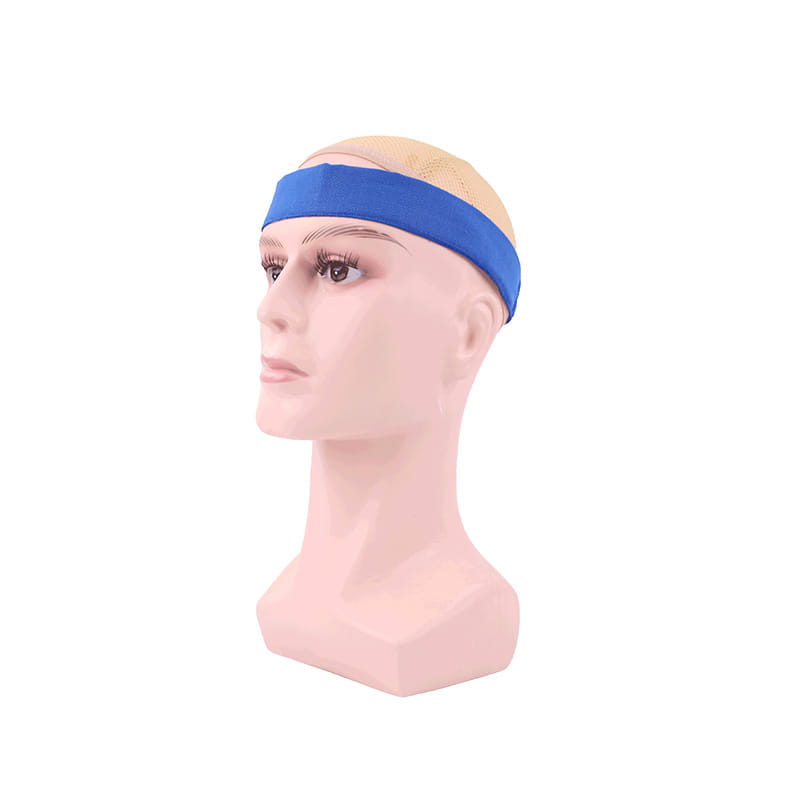
If you're primarily a runner or cyclist training in hot weather, an evaporative cooling headband is your most practical choice — lightweight, easy to re-wet mid-workout, and affordable enough to own multiple. If you work in direct sun all day and need extended relief without constant re-wetting, a PCM band is worth the higher investment. For home use or headache relief, a gel or ice pack band fits the bill perfectly.
What to Look for in Terms of Fit, Material, and Design
Even the best-performing cooling technology won't help if the headband doesn't fit properly or irritates your skin after an hour of wear. Here are the most important factors to evaluate before purchasing:
Width and Coverage
Wider bands (2–4 inches) cover more of the forehead and temples, delivering broader cooling and better sweat absorption. Narrow bands (1–1.5 inches) stay in place more easily during intense movement and are less intrusive during activities like swimming or team sports. If headache relief is your goal, look for bands that wrap all the way around and provide gentle compression at the temples.
Fabric and Skin Compatibility
Look for hypoallergenic materials, especially if you have sensitive skin. PVA-based evaporative fabrics are generally safe for most skin types, but some gel-infused products contain synthetic polymers that can cause mild irritation with prolonged contact. Soft terry cloth or bamboo-blend inner liners are a thoughtful feature in higher-end cooling headbands, offering comfort without sacrificing performance.
Adjustability and Secure Fit
Headbands with adjustable velcro closures or tie-back designs accommodate different head sizes and allow you to fine-tune the fit based on the activity. Stretch-knit bands with elastane content provide a snug, one-size-fits-most fit that stays in place without cutting off circulation. Avoid bands that sit too tightly over the temples, as prolonged pressure can actually worsen headaches rather than relieve them.
How to Use and Care for Your Cooling Head Band
Getting the most out of a cooling headband is largely about proper activation and maintenance. For evaporative bands, the activation process is simple: soak in cold water for 15–30 seconds, wring out firmly (but don't wring it completely dry — a slightly damp band cools better than a soaked one), and snap it in the air two or three times to activate the cooling reaction in the polymer fibers. You'll feel the temperature drop almost immediately.
When the band starts to feel warm or dry during use, simply re-wet it with water from a bottle or tap. The cooling effect reactivates instantly. For gel and ice pack bands, store the inserts in your freezer for at least two hours before use, or pop them in the refrigerator if you prefer a gentler temperature. Never apply a frozen insert directly to bare skin without the fabric layer in between to avoid frostbite-like irritation.
For cleaning, most evaporative and athletic cooling headbands are machine-washable on a gentle cold cycle. Avoid fabric softeners, as they can coat the polymer fibers and reduce the evaporative cooling efficiency over time. Hang to dry rather than using a dryer — high heat can degrade the cooling materials. With proper care, a quality cooling headband can last multiple seasons of regular use.
Top Tips for Maximizing Cooling Performance
A few simple habits can significantly extend how long and how effectively your cooling head band works:
- Pre-soak your evaporative band in ice water rather than room-temperature water for a noticeably colder initial activation — especially useful before outdoor races or long shifts.
- Pair your cooling headband with a cooling neck wrap for comprehensive coverage of the major blood vessels in both locations, which amplifies the overall body-cooling effect.
- Keep a small spray bottle of water on hand during outdoor activities so you can mist the band periodically without having to stop and soak it fully.
- In high humidity, evaporative cooling becomes less effective because the air is already saturated with moisture. In these conditions, gel or PCM bands tend to outperform evaporative ones significantly.
- Own at least two bands if you wear them daily — rotate them so one is always clean and ready while the other is drying after washing.
Who Benefits Most from Cooling Head Bands?
Cooling head bands are a practical tool for a wide range of people beyond just competitive athletes. The following groups tend to find them especially valuable:
- Endurance athletes and runners who train or race in warm climates and need a lightweight, easy-to-use cooling solution that won't slow them down.
- Outdoor workers in construction, agriculture, landscaping, or delivery who need reliable heat management through a full workday in direct sun.
- People managing menopause-related hot flashes, who report that cooling head bands provide quick, discreet relief without requiring medication or air conditioning.
- Children and elderly individuals who are more vulnerable to heat-related illness and may benefit from a simple, passive cooling aid during outdoor play or activity.
- Migraine and chronic headache sufferers looking for a non-pharmaceutical way to manage pain episodes with targeted cold therapy.
- Festival-goers and outdoor event attendees who are exposed to prolonged sun and heat without easy access to shade or cooling stations.
Common Mistakes to Avoid
Even simple products like cooling headbands are easy to misuse in ways that reduce their effectiveness. One of the most common mistakes is wringing the band out too aggressively before wearing it — leaving it too dry means there isn't enough moisture to sustain evaporation. On the flip side, wearing a heavily dripping wet band is uncomfortable and can cause water to run into your eyes. The sweet spot is damp but not dripping.
Another frequent error is storing used bands in a sealed bag or damp gym bag, which encourages the growth of bacteria and mold. Always rinse your band after use and allow it to air dry fully before storing. If you notice any musty odor, wash it with a mild detergent and allow it to dry in sunlight, which naturally neutralizes bacteria. Replacing your cooling headband every season is a good habit if you're using it daily, as the cooling materials can degrade over time even with excellent care.

 3rd Floor, East Gate, No. 2599 Park Road, Sheng Ze Town, Wu Jiang District, Suzhou City, Jiangsu Province
  +86- 0512-63519080
 +86-13584404311
  FQsales1@163.com