
 English
 简体中文
简体中文
Content
- 1 Why an Outdoor Reflective Vest Is One of the Simplest Ways to Stay Safe
- 2 How Outdoor Reflective Vests Actually Work
- 3 Safety Standards for Reflective Vests: What the Certifications Actually Mean
- 4 Key Features to Look for in an Outdoor Reflective Safety Vest
- 5 Best Uses for Outdoor Reflective Vests by Activity
- 6 Common Mistakes People Make When Choosing a Reflective Outdoor Vest
- 7 How to Care for and Maintain Your Outdoor Reflective Vest
- 8 Getting the Most Visibility from Your Reflective Outdoor Vest
Why an Outdoor Reflective Vest Is One of the Simplest Ways to Stay Safe
An outdoor reflective vest is one of the most straightforward and cost-effective pieces of safety equipment available. Whether you are running along a road at dusk, cycling through a busy intersection, directing traffic at a roadside event, or working a construction site at night, a high-visibility reflective vest dramatically increases the distance at which drivers and other hazards can detect your presence. Studies by transportation safety agencies consistently show that pedestrians and cyclists wearing retro-reflective garments are spotted by drivers two to three times farther away than those without, giving both parties critical extra seconds to react.
Despite being so widely used, outdoor reflective safety vests are frequently chosen without much consideration — grabbed off a shelf based on price alone. The reality is that reflective vests vary enormously in the quality of their reflective materials, their fluorescent background fabric, their durability under washing and UV exposure, and whether they meet the safety certification standards relevant to your specific activity or workplace. Taking a few minutes to understand what separates a genuinely protective vest from a decorative one can make a real difference to your safety on the road or worksite.
How Outdoor Reflective Vests Actually Work
Understanding the science behind a reflective safety vest helps you evaluate whether a product will actually perform when you need it. Outdoor reflective vests use two distinct visibility mechanisms that work together: fluorescence for daytime and low-light visibility, and retro-reflection for nighttime and headlight conditions.
Fluorescent Background Fabric
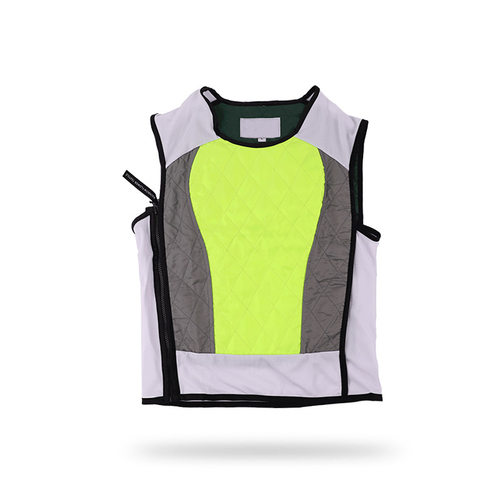
The bright yellow-green, orange, or red background fabric of a high-visibility vest is not just a vivid color — it is a fluorescent material that absorbs ultraviolet and short-wavelength visible light and re-emits it as longer-wavelength visible light. This makes the vest appear to almost glow in daylight, overcast conditions, and dusk or dawn light, when contrast against complex backgrounds is hardest to maintain. Yellow-green (often called lime or chartreuse) is the most effective color for daytime visibility because it falls in the peak sensitivity range of human vision. Orange is preferred in hunting environments because it contrasts against natural foliage while remaining invisible to deer, which cannot distinguish it from background greens.
Retro-Reflective Tape and Strips
The silver or gray tape strips on an outdoor reflective vest use a completely different technology called retro-reflection. Retro-reflective materials contain millions of tiny glass beads or micro-prismatic structures embedded in a film layer. When a beam of light — most importantly, a vehicle's headlights — strikes this surface, the micro-structures reflect the light directly back toward its source, rather than scattering it in all directions as an ordinary surface would. This means the driver behind the headlights sees an intensely bright point of light at the location of the vest, even in complete darkness, at distances exceeding 150 meters. The effectiveness of this retro-reflection is measured in candelas per lux per square meter (cd/lux/m²), and certified safety vests must meet minimum values set by standards like ANSI/ISEA 107 or EN ISO 20471.
Combined Visibility Across All Light Conditions
High-quality outdoor reflective vests are designed to be effective across the full spectrum of light conditions — bright daylight, overcast skies, dusk and dawn, and complete darkness. The fluorescent background handles the first three scenarios, while the retro-reflective strips handle the last. Budget vests often use very narrow strips of low-grade reflective tape that provide barely adequate nighttime visibility and fluorescent fabric that fades rapidly with washing, losing its fluorescence after as few as 10–20 washes. Premium certified vests maintain their performance well beyond 25 industrial washing cycles, a key benchmark in professional safety standards.
Safety Standards for Reflective Vests: What the Certifications Actually Mean
If you are buying an outdoor reflective vest for professional use, road work, or any regulated environment, understanding the relevant safety certification is essential. The two most widely recognized standards are ANSI/ISEA 107 (used in North America) and EN ISO 20471 (used in Europe and many international markets). Both classify vests into performance classes based on the area of fluorescent material and the amount of retro-reflective tape.
| Standard | Class / Level | Min. Background Material | Min. Reflective Tape | Typical Use |
| ANSI/ISEA 107 | Type O (Off-Road) | 0.50 m² | 0.13 m² | Warehouses, parking lots, low-speed areas |
| ANSI/ISEA 107 | Type R (Roadway) Class 2 | 0.50 m² | 0.13 m² | Road work, surveys, utility crews |
| ANSI/ISEA 107 | Type R (Roadway) Class 3 | 0.785 m² | 0.20 m² | Highway work, emergency responders |
| EN ISO 20471 | Class 1 | 0.14 m² | 0.10 m² | Low-risk environments, pedestrians |
| EN ISO 20471 | Class 2 | 0.50 m² | 0.13 m² | Road work, cyclists, construction |
| EN ISO 20471 | Class 3 | 0.80 m² | 0.20 m² | High-speed roads, railways, emergency services |
For non-professional outdoor activities like jogging, dog walking, or recreational cycling, a certified Class 1 or Class 2 vest offers more than adequate protection. For anyone working near moving traffic or in professional safety-regulated environments, always confirm that the vest meets the specific class required by your local workplace safety regulations — and check that the certification label is printed directly on the garment, not just on the packaging.
Key Features to Look for in an Outdoor Reflective Safety Vest
Beyond the certification class, several practical features distinguish a well-designed outdoor reflective vest from a basic one. Paying attention to these details ensures the vest remains comfortable, functional, and durable across its intended use cases.
Reflective Strip Width and Placement
Standard reflective strips on a high-visibility vest are 5 cm (2 inches) wide, which is the minimum specified by most safety standards. Some premium vests use 7.5 cm wide strips or add additional diagonal and shoulder strips to improve 360-degree visibility — crucial when a driver approaches from the side rather than directly head-on. Look for vests with circumferential horizontal bands around the torso, which remain visible regardless of which direction a driver is approaching from, rather than simple front-and-back vertical strips that disappear when viewed from the side.
Closure Type and Fit Adjustment
Outdoor reflective vests use several closure systems, each with trade-offs. Zipper closures provide a secure fit and a clean look but can snag or fail in cold or dirty conditions. Velcro (hook-and-loop) closures are faster to put on and remove — an important feature in emergency response or traffic control situations — but collect debris and degrade more quickly with repeated use. Snap-button closures offer durability but less precise fit adjustment. For runners and cyclists who want minimal bulk, sleeveless mesh vests with side adjustment straps provide airflow while maintaining a snug, non-flapping fit at speed.
Fabric Breathability and Weight
A vest that traps heat or restricts movement will not be worn consistently, defeating its entire purpose. For active outdoor use — running, cycling, or hiking — look for lightweight mesh or polyester knit fabrics that allow airflow and wick moisture. For construction or worksite use, heavier woven polyester offers better durability and resistance to snagging on tools or materials. Some outdoor reflective vests now incorporate moisture-wicking and quick-dry fabric technology borrowed from athletic apparel, making them genuinely comfortable for high-exertion activities in warm weather.
Pockets and Storage
Work-oriented outdoor reflective vests often include multiple pockets — chest pockets for phones or documents, lower storage pockets, and pen or ID card holders. For runners and cyclists, pockets are generally minimal to reduce weight, but a single small zip pocket for keys, a card, or an emergency contact card is a useful addition. Consider whether the pocket placement interferes with the reflective strip coverage before prioritizing storage capacity.
Wash Durability and UV Resistance
Both the fluorescent background fabric and the retro-reflective tape degrade over time, but the rate of degradation varies significantly between products. Quality fluorescent fabric should retain at least 50% of its luminance after 25 wash cycles, as specified by EN ISO 20471. Cheap fluorescent vests fade noticeably after just a handful of washes, turning from bright lime-green to a dull yellowish color that provides far less contrast against complex backgrounds. Similarly, retro-reflective tape can crack, peel, or lose its micro-structure integrity if exposed to repeated machine washing, solvents, or prolonged UV exposure. Check the manufacturer's care instructions and wash cycle ratings before purchasing.
Best Uses for Outdoor Reflective Vests by Activity
Different outdoor activities call for different vest designs, and matching the vest to the activity ensures you get the right combination of visibility, comfort, and practical features.
- Running and jogging: Lightweight mesh reflective running vests with 360-degree reflective strips are ideal. Look for a slim, adjustable fit that does not bounce at speed, and choose yellow-green for maximum daytime visibility. Vests with integrated LED light loops or attachment points for clip-on lights add an extra safety layer for night runs.
- Cycling: Cycling-specific reflective vests are cut longer at the back to cover the lower back when in a forward-leaning position. They often include additional reflective detailing on the shoulders and back panel. Bright colors that contrast against road surfaces — lime-green or vivid orange — are most effective in urban cycling environments.
- Dog walking and hiking: A simple, comfortable reflective vest that can be slipped over any jacket or coat is practical for evening dog walks along roads or trails. EN ISO 20471 Class 1 is sufficient for low-traffic paths; Class 2 is recommended for road-side walking in low-light conditions.
- Construction and road work: Full ANSI Class 2 or Class 3 certification is required in most regulated construction environments. Vests with multiple pockets, durable woven fabric, and breakaway safety features (which allow the vest to tear free if caught in machinery) are preferred for site use.
- Emergency and event management: High-contrast printed reflective vests identifying roles (MARSHAL, SECURITY, FIRST AID) combine visibility with instant role identification. These typically use Class 2 reflective material with printed text on the back panel and Velcro closures for fast donning and removal.
- Children's outdoor activities: Smaller-sized reflective safety vests designed for children — for school walking routes, cycling programs, or camping trips — should meet the same EN ISO 20471 Class 1 or Class 2 standard as adult versions. Avoid vests sized for adults and rolled up to fit children, as the reflective strip placement will be incorrect for the child's body proportions.
Common Mistakes People Make When Choosing a Reflective Outdoor Vest
Even safety-conscious buyers sometimes make choices that compromise the effectiveness of their reflective vest. Here are the most common mistakes to avoid:
- Buying based on price alone: Very cheap reflective vests — particularly those sold as promotional items or novelty products — often use non-certified reflective tape that meets none of the minimum performance standards. The reflective coefficient may be so low that the vest provides essentially no nighttime visibility benefit despite its silver appearance.
- Wearing the vest over a bulky jacket that covers the strips: When a reflective vest is worn over a thick winter coat, the side panels and lower reflective bands are often obscured by the coat's bulk or pushed inward, reducing visible reflective area. Choose a vest sized generously enough to fit cleanly over winter layers, or opt for a reflective jacket rather than a vest in cold weather.
- Ignoring wash and replacement schedules: A reflective outdoor vest that has been washed 50 times without checking its performance may be providing a false sense of security. Hold the vest up to a bright light source and check whether the reflective strips still bounce light back sharply. If the surface looks dull, milky, or peeling, it is time to replace the vest regardless of how structurally intact the garment appears.
- Choosing the wrong color for the environment: Yellow-green is optimal for most road and urban environments. However, in hunting or forestry settings where orange is the required safety color, a yellow-green vest may actually blend into background foliage rather than standing out. Always match the vest color to the visual environment, not just personal preference.
- Relying solely on the vest for nighttime visibility: An outdoor reflective vest is highly effective for retro-reflection from vehicle headlights, but provides no active illumination. In environments without motor vehicles — such as off-road trails — or when approaching from behind a light source rather than in front of it, active LED lights attached to the vest or worn separately provide critical supplementary visibility.
How to Care for and Maintain Your Outdoor Reflective Vest
Proper care significantly extends the functional life of a reflective safety vest and maintains its certified performance over time. Following these maintenance guidelines keeps your vest working effectively for as long as possible:
- Machine wash on a gentle cycle with cold water: High-temperature washing and aggressive spin cycles accelerate degradation of both the fluorescent dye in the background fabric and the adhesive layer bonding the reflective tape to the garment. Use a mesh laundry bag to protect the vest during washing.
- Avoid tumble drying and ironing the reflective tape: Heat is the primary enemy of retro-reflective film. Always air dry the vest flat or on a hanger, and never apply an iron directly to the reflective strips, as the heat will melt and permanently damage the micro-prismatic structure.
- Do not use bleach or solvent-based cleaners: Chlorine bleach strips fluorescent dyes rapidly, turning bright lime-green fabric dull within a few washes. Solvent-based stain removers dissolve the adhesive and surface film of reflective tape. Use only mild, phosphate-free detergents for washing.
- Store away from direct sunlight: UV light degrades fluorescent fabric even during storage. Keep the vest in a bag or drawer away from windows when not in use, particularly during long periods of non-use such as storage over summer months.
- Inspect before each use: Take 10 seconds to visually check the reflective strips for peeling edges, cracks, or areas where the tape has lifted from the fabric. Even a partially delaminated strip can significantly reduce reflective area, particularly at the edges where delamination typically begins.
Getting the Most Visibility from Your Reflective Outdoor Vest
Even a well-chosen, properly certified outdoor reflective vest performs best when used as part of a broader approach to outdoor visibility. Combining your vest with complementary measures maximizes your safety in low-light and nighttime conditions. Clip-on LED lights worn on the front and rear of the body add active illumination that is visible from much greater distances than retro-reflection alone, and from angles that do not benefit from direct headlight illumination. Reflective accessories — ankle bands, wrist bands, and shoe clips — add moving points of reflection that the human eye is particularly well-tuned to detect, since biological motion (a person walking) is recognized much faster than a static reflective point.
Making yourself predictable and visible is ultimately a combination of the right equipment, good positioning on roads and paths, and consistent use habits. An outdoor reflective vest that stays in a bag because it is uncomfortable or inconvenient provides zero protection. Choosing a vest that fits well, suits the activity, and meets the relevant safety standard — and then wearing it every single time conditions call for it — is the straightforward formula that makes reflective outdoor vests one of the most reliable personal safety investments available.



 3rd Floor, East Gate, No. 2599 Park Road, Sheng Ze Town, Wu Jiang District, Suzhou City, Jiangsu Province
  +86- 0512-63519080
 +86-13584404311
  FQsales1@163.com