
 English
 简体中文
简体中文
If you've ever finished a run or a yard job dripping in sweat with your hair plastered to your forehead, you already know how miserable overheating can feel. A cooling headband is one of the simplest, cheapest tools you can add to your routine to fix that problem. It's lightweight, easy to use, and works whether you're training for a race, working outdoors, or just trying to survive a heat wave. This article breaks down exactly how a cooling headband works, the different types available, and how to pick and use one so you get the most benefit from it.
Content
- 1 What a Cooling Headband Actually Does
- 2 Types of Cooling Headbands and How They Compare
- 3 Who Benefits Most From Wearing One
- 4 How to Use a Cooling Headband Correctly
- 5 Choosing the Right Cooling Headband for Your Needs
- 6 Caring for Your Cooling Headband So It Lasts
- 7 Final Thoughts on Staying Cool With the Right Gear
What a Cooling Headband Actually Does
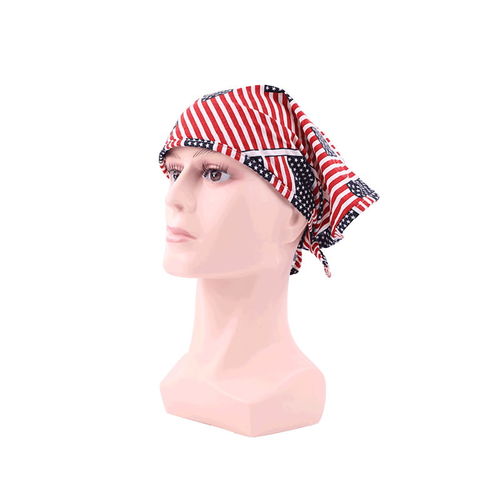
A cooling headband is designed to lower the temperature around your head and neck using either evaporative cooling technology or built-in cooling gel. Unlike a regular cloth headband that only absorbs sweat, a cooling headband actively works to pull heat away from your skin. This matters because your head and neck are packed with blood vessels close to the surface, so cooling this area can make your whole body feel more comfortable, even if the air temperature itself hasn't changed.
Most cooling headbands use one of two mechanisms. The first is evaporative cooling, where the fabric is soaked in water and the natural process of evaporation pulls heat away as the water dries. The second is gel-based cooling, where small beads or a gel core absorb heat and create a cold sensation similar to an ice pack, but flexible enough to wear comfortably.
Types of Cooling Headbands and How They Compare
Not all cooling headbands work the same way, and picking the right type depends on your activity and how long you need the cooling effect to last. Here's a breakdown of the most common options.
| Type | How It Cools | Best For | Cooling Duration |
| Evaporative Fabric | Water absorption and evaporation | Running, hiking, cycling | 2-4 hours, re-wettable |
| Gel Bead | Freezer-chilled gel packets | Yard work, sports practice | 1-2 hours, needs refreezing |
| Instant Snap Cool | Chemical cold pack reaction | Emergency heat relief | 15-30 minutes, single use |
If you're active for long stretches, an evaporative cooling headband is usually the most practical since you can simply rinse it under water and put it back on. If you need short bursts of intense cooling, a gel-based option might suit you better.
Who Benefits Most From Wearing One
While anyone dealing with heat can use a cooling headband, certain groups get particularly noticeable benefits from adding one to their gear.
- Runners and cyclists who train outdoors during summer months
- Landscapers, construction workers, and anyone doing manual labor outside
- Parents attending outdoor sports games or events in the heat
- People experiencing hot flashes related to menopause or hormonal changes
- Anyone with migraines, since the cooling sensation can help ease tension around the temples
How to Use a Cooling Headband Correctly
Getting the most out of a cooling headband isn't complicated, but a few simple habits make a big difference in how long and how well it performs.
Activating the Cooling Effect
For evaporative headbands, soak the band in cold water for about two to three minutes before wearing it, then wring out any excess water so it isn't dripping. Snap the band a few times to activate the crystals inside, which helps distribute the cooling evenly. For gel-based headbands, freeze the packet for at least two hours before use to get the full cooling benefit.
Reactivating It During the Day
If you're outside for a long stretch, you don't need to buy multiple headbands. Most evaporative styles can be re-soaked in any water source, including a water bottle, and will cool down again within a few minutes. This makes them especially convenient for all-day events like festivals, hikes, or work shifts.
Choosing the Right Cooling Headband for Your Needs
With so many options on the market, it helps to narrow down your choice based on a few practical factors rather than picking the first one you see.
- Check the material: polymer crystal cores tend to stay cool longer than basic sponge fabric
- Look for moisture-wicking fabric on the inner lining to prevent chafing
- Consider width and coverage, since wider bands cool more surface area but can feel bulky under a hat
- Pick a size with adjustable closures if you'll be sharing it with family members
- Confirm it's machine washable if you plan on using it regularly for workouts
Caring for Your Cooling Headband So It Lasts
A good cooling headband can last for multiple seasons if it's taken care of properly. Rinse it with cool water after each use to remove sweat and sunscreen buildup, since leftover residue can reduce how well the fabric absorbs water later on. Let it air dry completely before storing it, and avoid leaving it balled up in a damp gym bag, which can lead to odor or mildew. For gel-based versions, always check the packaging for specific freezing and storage instructions, since punctures can cause leaks.
Final Thoughts on Staying Cool With the Right Gear
A cooling headband is a small piece of gear that can make a real difference in how you handle heat, whether you're pushing through a summer workout or just trying to get through a hot afternoon outside. By understanding how it works, choosing the type that fits your activity, and caring for it properly, you'll get consistent relief every time the temperature climbs.

 3rd Floor, East Gate, No. 2599 Park Road, Sheng Ze Town, Wu Jiang District, Suzhou City, Jiangsu Province
  +86- 0512-63519080
 +86-13584404311
  FQsales1@163.com