
 English
 简体中文
简体中文
Content
- 1 Why the Wrist Is One of the Best Places to Cool Your Body
- 2 The Science Behind How Wrist Cooling Wraps Lower Body Temperature
- 3 Who Benefits Most from Wearing a Cooling Wrist Wrap
- 4
- 5 How Long Does a Cooling Wrist Wrap Stay Cold — Realistic Expectations
- 6 Using Cooling Wrist Wraps Safely — What to Watch Out For
- 7 Combining Wrist Cooling Wraps with Other Heat Management Strategies
Why the Wrist Is One of the Best Places to Cool Your Body
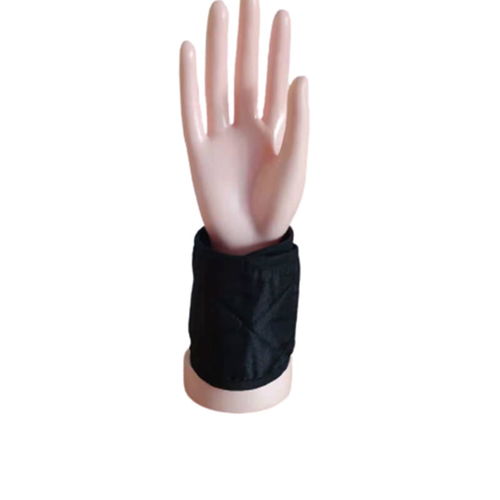
Cooling wrist wraps work because of a straightforward physiological fact: the wrist is a pulse point, meaning the radial and ulnar arteries run very close to the surface of the skin at the inner wrist. Blood circulating through these arteries is on its way back to the heart and then to the body's core. When you apply a cooling wrist band or cold wrist wrap to this area, you are cooling the blood in those superficial arteries before it returns to circulation throughout the body. The result is a measurable reduction in core temperature and perceived heat — not just local cooling at the wrist itself.
This is the same principle behind the long-standing advice to run cold water over your wrists when you feel overheated. Cooling wrist wraps simply formalize and extend that effect, providing sustained, wearable cooling over a period of minutes to hours depending on the product design. Compared to cooling vests or full-body cooling garments, wrist cooling wraps are compact, lightweight, unobtrusive, and easy to apply and remove — making them a practical tool for athletes, outdoor workers, people managing heat-sensitive medical conditions, and anyone dealing with hot weather discomfort.
The Science Behind How Wrist Cooling Wraps Lower Body Temperature
The human body regulates its core temperature through several mechanisms, including sweating, skin vasodilation, and respiratory heat exchange. In hot conditions or during intense physical activity, these natural mechanisms can be overwhelmed — particularly in high-humidity environments where sweat evaporation is inefficient. External cooling at pulse points like the wrist, neck, and temples provides a direct supplementary cooling pathway that does not rely on sweating or ambient air movement.
Research into pre-cooling and per-cooling strategies for athletic performance consistently shows that reducing core temperature before or during exercise extends time to exhaustion, reduces perceived exertion, and helps maintain cognitive function in the heat. A 2019 study published in the Journal of Thermal Biology found that palm and wrist cooling during exercise in the heat significantly reduced core temperature rise compared to controls, with participants reporting substantially lower perceived thermal discomfort. While a single cooling wrist wrap is less powerful than a full palm cooling device or ice vest, the combination of both wrists covered — doubling the cooled arterial surface area — produces a meaningfully greater effect than a single point of cooling.
Evaporative Cooling vs. Ice or Gel Cooling
Cooling wrist wraps achieve their effect through one of two primary mechanisms: evaporative cooling or conductive cooling via ice or gel inserts. Understanding the difference helps you choose the right product and use it effectively.
Evaporative cooling wrist wraps are made from specially engineered fabrics — often polyvinyl alcohol (PVA) or microfiber blends — that absorb water and release it slowly through evaporation, drawing heat from the skin surface as the water transitions from liquid to vapor. These wraps are activated by soaking in cold water for a few minutes and then wringing out lightly before wearing. In dry, low-humidity conditions, evaporative cooling wraps can reduce skin surface temperature by 10–15°F (5–8°C) and remain actively cooling for 1–4 hours before needing re-soaking. In high-humidity environments, their effectiveness decreases because the surrounding air is already saturated with moisture, which slows evaporation.
Conductive cooling wrist wraps use a cold pack, gel insert, or crushed ice held against the wrist skin to transfer heat directly from the tissue to the cold medium. These wraps cool faster and more intensely than evaporative types and work regardless of ambient humidity, making them more reliable for clinical use, post-exercise recovery, and high-humidity climates. The limitation is their finite cooling duration — typically 20–45 minutes before the cold pack warms up — and the need to pre-freeze gel inserts or have access to ice.
Who Benefits Most from Wearing a Cooling Wrist Wrap
While almost anyone working or exercising in hot conditions can benefit from wrist cooling, there are specific groups for whom cooling wrist bands provide a particularly meaningful advantage:
- Endurance athletes: Runners, cyclists, triathletes, and tennis players competing or training in hot weather experience core temperature rises that directly impair cardiovascular efficiency and muscle function. Wearing cooling wrist wraps during long training sessions or competition warm-ups helps manage the heat load on the cardiovascular system, letting athletes sustain higher intensities for longer before heat fatigue sets in.
- Outdoor manual workers: Construction workers, landscapers, agricultural workers, and road crews working in full sun during summer months face sustained heat exposure that increases the risk of heat exhaustion and heat stroke. Wrist cooling wraps provide an accessible, affordable, and practical cooling tool that can be used continuously throughout the workday without interfering with hand or arm function.
- People with hyperhidrosis or heat intolerance: Individuals who sweat excessively or who have conditions that impair normal heat regulation — including multiple sclerosis, spinal cord injury, menopause-related hot flashes, and certain medications — often find that wrist cooling wraps provide relief that is disproportionately large relative to the small area being cooled, precisely because of the arterial cooling effect.
- Menopausal women experiencing hot flashes: Hot flashes involve sudden, intense heat sensations driven by vasomotor instability rather than ambient temperature. Cooling wrist bands and cold wrist wraps applied at the onset of a hot flash provide rapid, targeted relief that many women find significantly reduces the peak intensity and duration of the episode.
- People with multiple sclerosis (MS): Heat sensitivity is one of the most well-documented challenges for people living with MS. Even a small rise in core body temperature can temporarily worsen neurological symptoms — a phenomenon known as Uhthoff's phenomenon. Cooling strategies including wrist cooling wraps are recommended by MS specialists as a non-pharmacological tool for managing this heat sensitivity during daily activities and exercise.
- Gamers and desk workers in warm environments: Extended sessions at a computer in a warm room cause gradual body temperature rise and discomfort that reduces concentration and cognitive performance. Cooling wrist wraps offer a subtle, non-disruptive way to stay comfortable without requiring air conditioning or breaks from work.
How Long Does a Cooling Wrist Wrap Stay Cold — Realistic Expectations
One of the most important things to understand about cooling wrist wraps is that their cooling duration varies significantly between product types, conditions of use, and environmental factors. Marketing claims about cooling duration should be interpreted with some caution — the conditions under which manufacturers test their products (controlled lab environments, specific humidity levels, specific ambient temperatures) may not match your actual use case.
| Wrap Type | Typical Cooling Duration | Best Humidity Conditions | Reactivation Method |
| PVA Evaporative Wrap | 1–4 hours | Low to moderate humidity (<60% RH) | Re-soak in cold water |
| Microfiber Evaporative Wrap | 30 min – 2 hours | Low to moderate humidity | Re-wet and snap/wring |
| Gel Insert Cold Pack Wrap | 20–45 minutes | Any humidity | Re-freeze gel insert (2–4 hours) |
| Ice-Filled Wrap | 15–30 minutes | Any humidity | Refill with fresh ice |
| Phase Change Material (PCM) Wrap | 1–3 hours | Any humidity | Re-freeze or re-cool to reset PCM |
Phase change material (PCM) wraps represent the most technologically advanced option in the cooling wrist wrap category. PCM materials are engineered to absorb large amounts of heat as they transition from solid to liquid at a specific, precisely controlled temperature — typically around 59–65°F (15–18°C) for cooling garment applications. This means the wrap maintains a consistent cooling temperature at the skin surface throughout its cooling duration, rather than the gradual warm-up experienced with simple ice or gel packs. PCM wrist wraps are more expensive than other types but offer the most consistent, reliable cooling for extended sessions.
Using Cooling Wrist Wraps Safely — What to Watch Out For
Cooling wrist wraps are generally safe and well tolerated for most people, but there are a few important precautions to be aware of — particularly when using cold pack or gel insert types that achieve a more intense level of cooling than evaporative wraps.
- Do not apply frozen gel packs directly to bare skin without a protective layer. Gel inserts taken directly from a freezer can reach temperatures well below 32°F (0°C) and cause frostbite or cold burns on prolonged contact with skin. Always ensure there is a thin fabric layer between the cold pack and skin, or allow the pack to warm slightly before application.
- Limit continuous cold pack application to 20–30 minutes at a time. Prolonged application of intense cold to the wrist can cause local vasoconstriction, numbness, and in rare cases, cold-induced nerve injury. Remove the wrap for at least 15–20 minutes between cooling sessions to allow the tissue to return to normal temperature.
- People with Raynaud's disease or cold urticaria should use caution. Raynaud's phenomenon causes abnormal vasospasm in response to cold exposure, and applying a cold wrist wrap can trigger an episode. Cold urticaria (cold-induced hives) is another contraindication to cold pack wrist wraps. These individuals may be better served by evaporative cooling wraps, which achieve a milder and more gradual skin surface cooling.
- Do not wear cooling wraps so tightly that they restrict circulation. The wrist contains the radial and ulnar arteries, median and ulnar nerves, and numerous tendons. A wrist wrap that is too tight can compromise blood flow or create nerve compression. The wrap should feel snug and comfortable, not constrictive — you should be able to slide a finger under the edge easily.
- Keep evaporative wraps clean and dry when not in use. PVA and microfiber evaporative wraps left damp in a bag can develop mold or bacterial growth, which can cause skin irritation. After use, rinse thoroughly, allow to air dry fully before storing, and wash regularly according to the manufacturer's instructions.
Combining Wrist Cooling Wraps with Other Heat Management Strategies
Cooling wrist wraps are most effective when used as part of a broader heat management strategy rather than as a standalone solution for serious heat stress. For athletes, outdoor workers, or individuals with heat-sensitive medical conditions, layering multiple cooling and hydration strategies provides significantly better protection than any single approach.
Consider combining wrist cooling wraps with the following complementary approaches for maximum effect:
- Neck cooling wraps: Like the wrist, the neck is another major pulse point where superficial arteries (the carotid arteries) can be effectively cooled. Using a neck cooling wrap simultaneously with wrist wraps nearly doubles the cooled arterial surface area and produces a measurably larger reduction in perceived heat load than either alone.
- Adequate hydration: Cooling wraps do not replace the need for fluid replacement during heat exposure. Sweating and external heat stress both increase fluid requirements significantly. Dehydration reduces blood volume and impairs the body's ability to deliver heat from the core to the skin surface — making external cooling less effective and increasing the risk of heat illness.
- Pre-cooling before exercise or heat exposure: Applying cooling wrist wraps 15–30 minutes before entering a hot environment or beginning intense exercise — when your core temperature is still at baseline — provides a thermal buffer that allows you to absorb more heat before reaching a limiting threshold. This pre-cooling effect is well-documented in sports science research and is used by elite athletes competing in hot-weather events.
- Light-colored, moisture-wicking clothing: Reducing heat absorption from solar radiation (by wearing light colors) and improving sweat evaporation (with moisture-wicking fabrics) reduces the overall heat load on the body, making the contribution of wrist cooling wraps proportionally more significant.

 3rd Floor, East Gate, No. 2599 Park Road, Sheng Ze Town, Wu Jiang District, Suzhou City, Jiangsu Province
  +86- 0512-63519080
 +86-13584404311
  FQsales1@163.com