
 English
 简体中文
简体中文
Wrist discomfort can show up in all kinds of situations — after an intense weightlifting session, during a long day of typing, or following a minor sprain from an awkward fall. Cooling wrist wraps have become a popular solution for managing these moments because they combine the therapeutic benefits of cold therapy with the convenience and support of a wearable wrap. Rather than holding an ice pack in place with your other hand or dealing with a bulky bag of frozen peas, a cooling wrist wrap lets you get on with your day while still delivering targeted relief. This article explains how these wraps work, when they're most useful, and what to look for when choosing one.
Content
- 1 What Are Cooling Wrist Wraps and How Do They Work
- 2 Common Reasons People Use Cooling Wrist Wraps
- 3 The Science Behind Cold Therapy for Wrist Pain
- 4 How to Use Cooling Wrist Wraps Safely and Effectively
- 5 Types of Cooling Wrist Wraps and How They Compare
- 6 What to Look for When Buying Cooling Wrist Wraps
- 7 When to See a Professional Instead of Relying on a Cooling Wrap Alone
What Are Cooling Wrist Wraps and How Do They Work
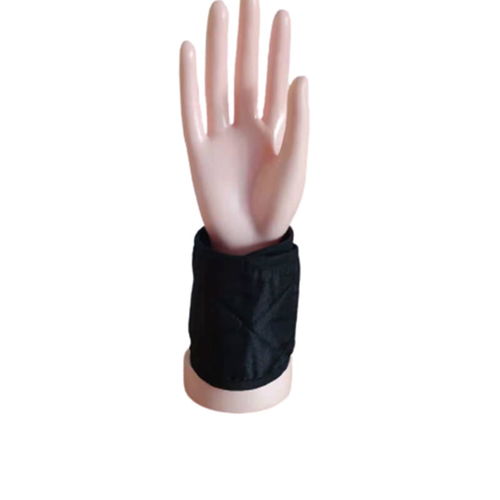
A cooling wrist wrap is a flexible band, typically made from gel-infused fabric, PCM (phase change material), or a fabric pocket designed to hold a small ice or gel pack, that wraps snugly around the wrist to deliver cold therapy directly to the area. Many designs use adjustable straps or hook-and-loop closures, allowing the wrap to be secured firmly enough to stay in place during movement without cutting off circulation.
The cooling effect works through basic thermodynamics: the cold material draws heat away from the skin and underlying tissue, which causes blood vessels in the area to constrict. This vasoconstriction is what helps reduce swelling and inflammation, while the drop in temperature also slows down nerve conduction, which is why cold therapy is so effective for temporarily numbing pain. Because the wrap conforms closely to the shape of the wrist, it maintains consistent contact with the skin, delivering more even cooling than loosely holding an ice pack in place.
Common Reasons People Use Cooling Wrist Wraps
Cooling wrist wraps are used across a wide range of everyday situations, from athletic recovery to office ergonomics. Understanding the most common use cases can help you determine whether one belongs in your routine.
- Post-workout recovery after heavy lifting, especially exercises that place strain on the wrists such as bench press or deadlifts
- Relief from repetitive strain injuries, including carpal tunnel syndrome and tendonitis
- Managing minor sprains or swelling following an accidental impact or fall
- Reducing discomfort from prolonged typing, gaming, or other repetitive hand movements
- Supporting recovery during flare-ups of chronic conditions like arthritis
- Cooling relief during hot weather activities or outdoor training sessions
The Science Behind Cold Therapy for Wrist Pain
Cold therapy, often referred to as cryotherapy in clinical settings, has long been used to manage acute soft tissue injuries and inflammation. When cooling wrist wraps are applied shortly after strain or minor injury, the reduction in local blood flow helps limit the buildup of fluid in the tissue, which in turn reduces swelling and the sensation of throbbing pain.
Reducing Inflammation in the Early Stages
In the first 24 to 48 hours following a minor wrist injury, applying cold therapy is generally considered most effective, since this is when inflammation and swelling tend to peak. A cooling wrist wrap allows for consistent, hands-free application during this critical window, which can make a noticeable difference in how quickly discomfort subsides.
Numbing Effect for Pain Relief
Beyond reducing swelling, the cold sensation itself has a mild numbing effect on the nerves near the skin's surface. This is particularly helpful for conditions involving persistent, low-grade discomfort, such as tendonitis or overuse injuries, where temporary numbing can provide meaningful relief during flare-ups.
How to Use Cooling Wrist Wraps Safely and Effectively
Getting the most benefit from a cooling wrist wrap comes down to using it correctly and avoiding common pitfalls that can reduce its effectiveness or even cause skin irritation.
Recommended Application Time
Most guidance suggests limiting cold therapy sessions to 15 to 20 minutes at a time, followed by a break of at least 40 minutes before reapplying. Leaving a cooling wrap on for extended periods without breaks can lead to skin irritation or, in rare cases, cold-related tissue damage, so it's important not to exceed recommended wear times even if the wrap feels comfortable.
Proper Wrap Tightness
The wrap should feel snug enough to stay in place during movement but never so tight that it restricts circulation. Signs of an overly tight wrap include numbness beyond the cooling sensation, tingling in the fingers, or a change in skin color. If any of these occur, the wrap should be loosened immediately.
Types of Cooling Wrist Wraps and How They Compare
Not all cooling wrist wraps use the same cooling technology, and understanding the differences can help you choose the option best suited to your needs.
| Type | How It Cools | Best For |
| Gel-Filled Wrap | Requires freezing before use | Acute injury and post-workout recovery |
| PCM Fabric Wrap | Activates with water or cold air exposure | All-day light cooling and heat relief |
| Ice Pocket Wrap | Holds a removable ice pack insert | Targeted, adjustable cold intensity |
| Instant Cold Wrap | Chemical reaction activates cooling on demand | On-the-go use without access to a freezer |
What to Look for When Buying Cooling Wrist Wraps
With so many options available, choosing the right cooling wrist wrap depends on matching the product's features to your specific use case. Consider the following when making a decision.
- Adjustability — look for hook-and-loop or elastic closures that allow you to customize fit and compression level
- Cooling duration — gel and ice-based wraps typically stay cold longer than PCM fabric options
- Reusability — reusable gel or PCM wraps offer better long-term value than single-use chemical cold wraps
- Breathable fabric — moisture-wicking material improves comfort during extended or active wear
- Coverage area — some wraps focus narrowly on the wrist joint, while others extend to cover part of the forearm or palm
When to See a Professional Instead of Relying on a Cooling Wrap Alone
While cooling wrist wraps are effective for managing minor discomfort, swelling, and recovery, they are not a substitute for professional evaluation when symptoms are severe or persistent. If wrist pain is accompanied by significant swelling, visible deformity, an inability to move the joint, or pain that doesn't improve after several days of rest and cold therapy, it's important to consult a healthcare provider. Conditions such as fractures, ligament tears, or advanced nerve compression require diagnosis and treatment beyond what a cooling wrap can address, and continuing to rely on cold therapy alone in these cases could delay proper care.

 3rd Floor, East Gate, No. 2599 Park Road, Sheng Ze Town, Wu Jiang District, Suzhou City, Jiangsu Province
  +86- 0512-63519080
 +86-13584404311
  FQsales1@163.com