
 English
 简体中文
简体中文
Content
Why Neck Protection Matters as Much as the Helmet Itself
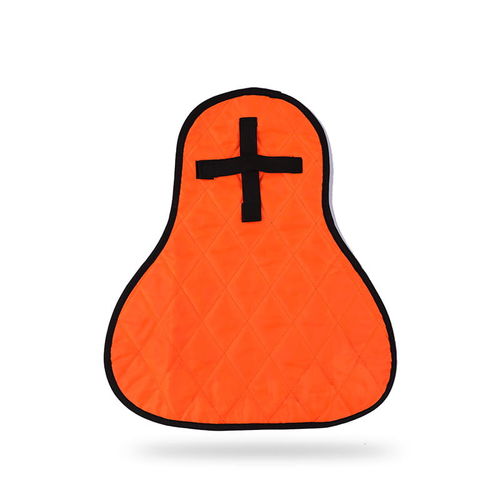
A hard hat does a great job protecting the top of the head from falling debris, but it leaves the neck and lower ears fully exposed to direct sun. On a construction site, oil rig, or warehouse loading dock, that patch of skin takes hours of UV exposure and heat buildup every single shift. This is exactly why cooling safety helmet neck protection has become standard gear rather than an optional accessory in many industries. It's not just about comfort; sunburn, heat rash, and prolonged heat exposure on the neck can contribute to fatigue, reduced focus, and slower reaction times, all of which raise the risk of on-site accidents.
Neck protection paired with a cooling function does two jobs at once: it blocks UV rays and falling dust or sparks, while also pulling heat away from the skin so the body doesn't overheat as quickly. For outdoor crews working in summer months, this combination often makes the difference between finishing a shift comfortably and needing frequent breaks to recover from heat stress.
How Cooling Neck Shades Actually Work
Most cooling neck protectors rely on one of two mechanisms: evaporative cooling fabric or phase-change cooling material. Evaporative fabrics are soaked in water before use; as the water evaporates from the fabric surface, it draws heat away from the skin, similar to how sweat cools the body naturally. Phase-change materials, on the other hand, contain gel or crystal inserts that absorb body heat and change from solid to liquid at a specific temperature, releasing stored heat slowly over several hours.
Both approaches attach to the back and sides of a safety helmet, usually via a clip, snap-brim, or hook-and-loop strip built into the helmet's brim or shell. The goal is to create a shaded, cooled barrier that hangs down over the neck and upper shoulders without interfering with the helmet's fit or the wearer's range of motion.
Evaporative Cooling Fabric
This type needs to be soaked in cool water for a few minutes before wearing. Once damp, it stays cool for one to two hours depending on humidity and airflow, then needs re-soaking. It's lightweight, washable, and generally the cheaper option for teams outfitting large crews.
Phase-Change Gel Inserts
These require pre-chilling in a fridge or ice water before the shift starts. They tend to hold a steady cool temperature longer than evaporative fabric, making them a better fit for workers who don't have easy access to water refills throughout the day.
Comparing the Main Types of Cooling Neck Protection
Choosing between cooling methods depends on your work environment, shift length, and access to water or refrigeration. The table below lays out the practical differences to help you decide what fits your crew's daily routine.
| Type | Cooling Duration | Best For |
| Evaporative Fabric Shade | 1 to 2 hours per soak | Sites with regular water access |
| Phase-Change Gel Insert | 2 to 4 hours per charge | Remote sites without water refills |
| UV Mesh Neck Flap (non-cooling) | No active cooling | Mild climates, sun protection only |
| Combo Cooling and Reflective Shade | 1 to 3 hours per soak | High-heat sites like asphalt or roofing |
What to Look for When Choosing Neck Protection Gear
Not every cooling neck shade fits every helmet or job. Before buying gear for an entire crew, it helps to check a few practical details so the equipment actually gets used instead of sitting in a drawer.
- Confirm it attaches securely to your specific helmet brand and brim style, since clip sizes vary between manufacturers.
- Check the UPF rating to make sure it actually blocks a meaningful amount of UV radiation, not just shade.
- Look for flame-resistant or arc-rated fabric if the job involves welding, electrical work, or open flames.
- Pick a color that reflects heat well; lighter shades like white or light gray absorb less solar heat than dark colors.
- Make sure the coverage extends past the ears and down to the collarbone, not just a thin strip across the back of the neck.
Skipping any of these checks often leads to gear that workers stop wearing after a few days, either because it doesn't fit right or because it doesn't cool enough to justify the hassle of soaking or chilling it every shift.
Best Practices for Daily Use on the Job
Having the right gear is only half the equation; using it correctly is what actually prevents heat-related issues. Supervisors managing outdoor crews often build small habits into the daily routine to keep cooling neck protection effective throughout a full shift.
- Soak or chill the neck shade before the shift starts, not after workers are already sweating and overheated.
- Set a re-soak schedule, such as every break period, so cooling doesn't wear off unnoticed mid-shift.
- Pair neck protection with hydration reminders, since cooling gear reduces heat stress but doesn't replace water intake.
- Rotate spare shades in extreme heat so a dry or warm one can be swapped out quickly without stopping work.
- Wash fabric shades regularly to prevent salt buildup from sweat, which can reduce the material's evaporative cooling effect over time.
When these habits become routine, crews tend to report fewer heat-related complaints and stay more alert during peak afternoon hours, which is often when fatigue-related incidents are most likely to happen.
Caring for Your Cooling Gear So It Lasts
Cooling neck protectors take a beating from sweat, dust, and sun exposure day after day, so a bit of care extends their usable life significantly. Rinse fabric shades in clean water at the end of each shift to remove salt and grime before they dry stiff. Avoid wringing gel-based inserts too aggressively, as repeated bending can cause internal seals to crack over time. Store both types away from direct sunlight when not in use, since UV exposure breaks down synthetic fibers and gel casings faster than normal wear. A little maintenance goes a long way toward making sure the gear performs the same on day one hundred as it did on day one.

 3rd Floor, East Gate, No. 2599 Park Road, Sheng Ze Town, Wu Jiang District, Suzhou City, Jiangsu Province
  +86- 0512-63519080
 +86-13584404311
  FQsales1@163.com