
 English
 简体中文
简体中文
Temperatures on a roof worktop can easily exceed 40 degrees C in mid-summer, and when you add a hard hat, the heat trapped between the shell and your head can push core body temperature up faster than you would expect. After eight hours of taking on and off a helmet that has become a small oven, workers start making small mistakes. That is where a cooling hard hat system earns its place. The best solution is not the cheapest ice pack or the most powerful fan; it is the one that fits your helmet model, keeps your safety certification intact, and still performs when humidity rises.
This article is written for safety officers, procurement managers, and e-commerce sellers who need to evaluate cooling hard hat products for a crew, a worksite, or a product line. We will explain the main technologies, compare their trade-offs, and outline what to ask a supplier before you commit to a bulk order.
Content
What does a cooling hard hat accessory actually do?
A hard hat is essentially a heat trap. The rigid shell provides vital impact protection, but it also blocks the natural airflow that would otherwise cool your scalp and neck. A cooling accessory counters this by using one of three mechanisms: water evaporation, phase change material (PCM), or forced air from a small fan. Each approach has real-world consequences for how long relief lasts, how much weight you add, and how often the gear needs maintenance.
The quickest decision short-cut is to look at your climate first. In dry heat, evaporative pads are light and cheap. In humid environments, PCM inserts or fan-assisted styles tend to be more reliable because evaporation slows down when the air is already full of moisture.
Four common types of cooling hard hat solutions
Evaporative cooling pads and liners
These are fabric or polymer layers that are soaked in water, squeezed out, and clicked into the helmet. They cool the head through evaporation as moisture leaves the fabric. They are inexpensive and easy to replenish on a site with a water jug. The downside is that they require periodic re-wetting and perform poorly in high humidity.
Phase change material inserts
PCM inserts contain a material that melts at a fixed temperature, absorbing body heat while staying at that constant temperature. Many workers prefer them because they do not feel wet and they offer longer cooling than a simple wet towel. The catch is that they must be chilled before use, which means a cooler or refrigerator on site.
Fan-powered cooling attachments
A compact fan unit clips to the rear of the helmet and pushes air across the head and down the neck. These are popular on construction sites in tropical regions because they work in humid weather and deliver a strong wind chill effect. However, they add noticeable weight, require batteries, and may fail if dust enters the fan housing.
Absorbent headbands, skull caps, and neck shades
The lightest option is a simple absorbent layer that wicks sweat away from the forehead and the base of the skull. Some versions include a small visor for neck shade. These products are easy to wash, easy to swap between workers, and can be combined with any of the other cooling technologies. Their main limitation is that they cover a smaller area than a full liner or fan unit.
The table below summarises the main trade-offs to help you compare them at a glance:
| Type | Cooling mechanism | Typical duration | Best climates | Key concern |
|---|---|---|---|---|
| Evaporative pad | Water evaporation | 1-3 h | Dry heat | Needs re-wetting |
| PCM insert | Phase change | 2-4 h | Moderate to humid | Must be pre-cooled |
| Fan attachment | Forced airflow | Battery-limited | Any climate | Weight and battery life |
| Headband or skull cap | Evaporative and wicking | 2-4 h | Dry to moderate | Smaller coverage area |
For a straightforward, low-maintenance upgrade, a simple hard hat cooling pad can be installed in the space between the suspension and the shell. Many site managers keep a set of these in a warehouse fridge so workers can rotate them during long shifts.
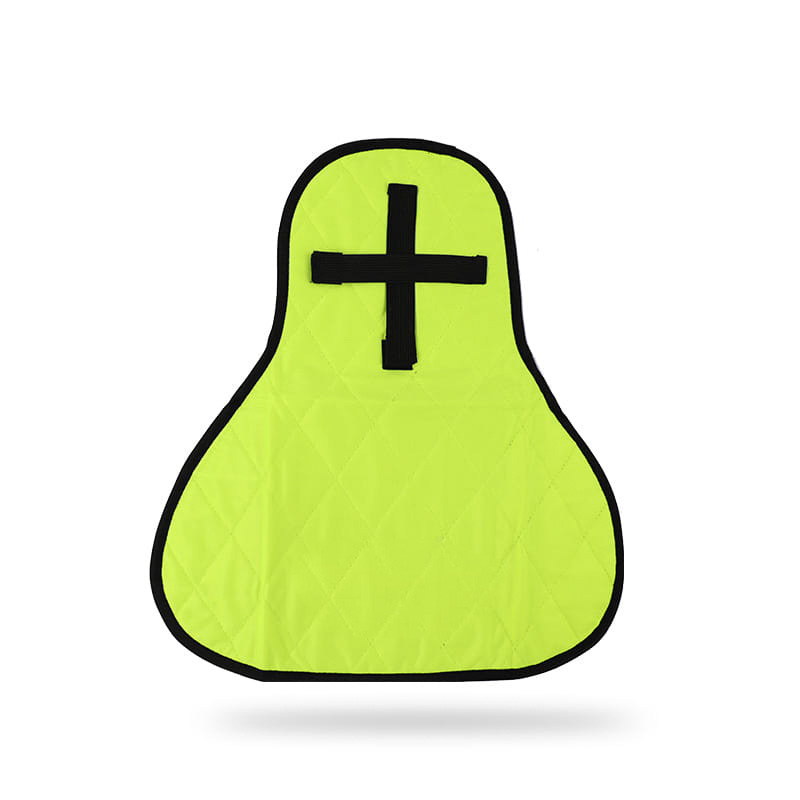 PVA Cooling Neck Pad for Hard Hats with 5-10 Hour ReliefThis neck pad attaches to the hard hat liner, providing cooling and sun protection for the neck. It offers 5-10 hours of relief per soak and is available in lime and orange colors.View Product →
How to choose the right cooling hard hat for your team
Verify safety compliance and helmet compatibility
The first rule is that your cooling solution must not change the protective function of the hard hat. A thick liner that changes the distance between the shell and the head can affect impact performance. A fan that clips onto the rim may interfere with the chin strap or block ventilation slots. Ask the supplier for test results showing the system is compatible with standard hard hat shells or with a specific model you already use.
Match the cooling method to your worksite
If your crew works outdoors in the Gulf or Southeast Asia, where humidity is high for much of the year, evaporative-only pads will not deliver consistent relief. In those regions, fan attachments or PCM inserts with a mobile cold storage station may be worth the extra cost. If you work in dry climates such as California or Australia, an evaporative pad is often the most cost-effective choice.
Estimate total ownership cost, not just the price
A cooling pad that costs two dollars less per unit may need replacement three times per season because the fabric deforms in a washing machine. A fan unit with a proprietary battery could become a reliability issue once the charger is lost. Include replacement material, battery packs, and washing cycles in your calculation. For a crew of 20, even a small difference per worker adds up to a meaningful annual cost.
Test with a small crew before scaling up
Workers will reject a cooling system if it creates pressure points, feels too heavy, or is too noisy. Ask your supplier for a trial batch and run it for three full shifts. Let at least two or three people use the same model and gather feedback on fit, cooling duration, and ease of cleaning. Support worker acceptance because a cooling hard hat that stays in the locker helps no one.
If you need a product that sits closely against the head and stays in place when the helmet is tilted, a head cooling hat with built-in cooling padding may be a better route than loose liners.
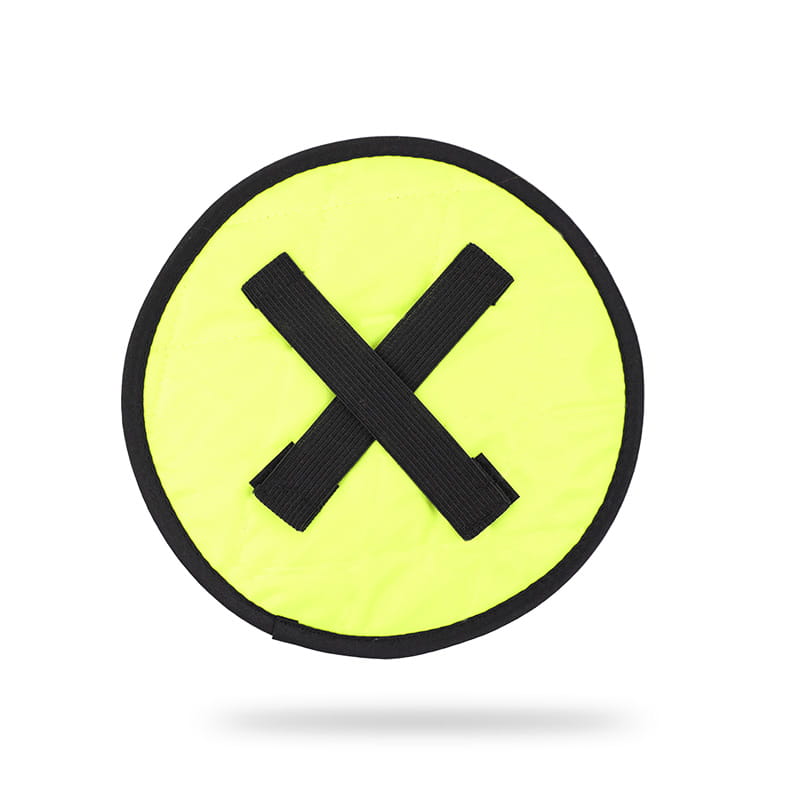 Head Cooling Hat Pad with Hook and Loop AttachmentA lightweight, durable cooling pad that attaches to the hard hat liner with hook and loop. Made of polyester mesh with a water-repellent nylon liner, it provides 5-10 hours of cooling per soak.View Product →
What to ask a supplier before you place a bulk order
From a manufacturing perspective, we see buyers make the same three mistakes when they buy cooling hard hat accessories in volume: they focus on the initial sample instead of consistency across batches, they ignore the difference between a first-lab test and real work conditions, and they forget that cooling performance depends on installation instructions. You can avoid all three if you ask the right questions.
- Is the cooling material washable, and at what maximum temperature?
- Do you have documentation for the fabric, PCM, or battery components?
- Can we receive a sample batch of 10-20 units for field testing before full production?
- Can you adapt the sizing for a specific hard hat brand?
- What is your typical lead time and how do you handle seasonal peaks?
For a more detailed breakdown of cooling hard hat types, product features, and buying pitfalls, read our cooling hard hat guide.
When you are evaluating sample lots, ask the factory whether they produce both the cooling medium and the final laminated pad in-house. This often produces better dimension control for different helmet shells, especially when you need sizes that match proprietary hard hat models.
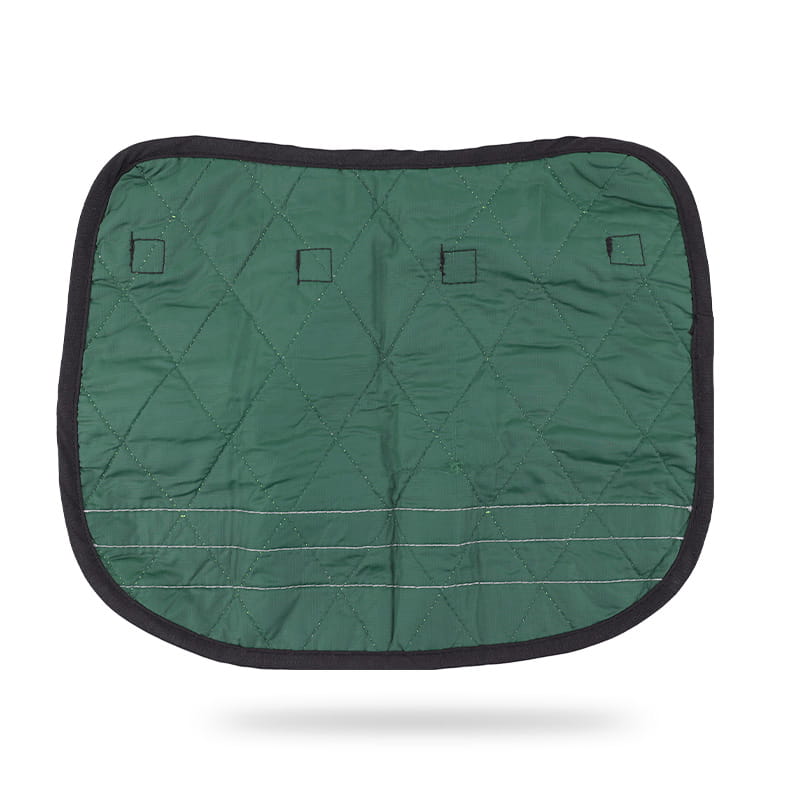 Helmet Cooling Head Pads Using SAF Evaporative MaterialThese cooling pads use SAF material to absorb heat and provide instant temperature drop of 6-12°C. Soak for 1-2 minutes for 5-8 hours of cooling, with OEM service available.View Product →
The bottom line on cooling hard hats
A cooling hard hat is not a luxury item in hot environments; it is a practical tool for preventing heat stress, improving focus, and reducing downtime. The best purchase decision still comes down to fit, safety, and real-world usability. Start with your climate and the length of a typical shift. Then verify helmet compatibility and safety documentation. Test a small batch on your actual crew. And finally, choose a supplier who can support you with samples, customisation, and reliable batch-to-batch quality.
If you are looking for a durable and washable option, a dedicated helmet cooling pad or head cooling cap can turn a standard hard hat into a much more forgiving work tool. The solution does not need to be complicated. It simply needs to be the right one for the conditions you work in.

 3rd Floor, East Gate, No. 2599 Park Road, Sheng Ze Town, Wu Jiang District, Suzhou City, Jiangsu Province
  +86- 0512-63519080
 +86-13584404311
  FQsales1@163.com